

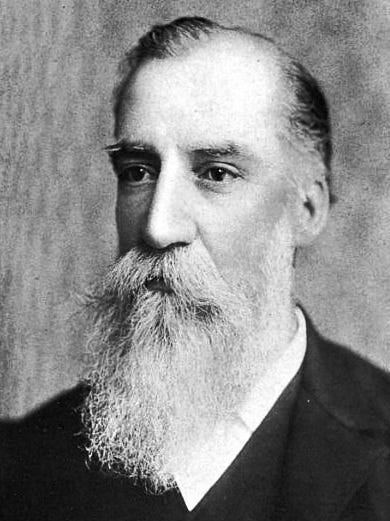
In the turbulent aftermath of Joseph Smith’s death in 1844, the Church of Jesus Christ of Latter Day Saints fractured into multiple factions, each claiming to uphold the founder’s true legacy. One of the most significant schisms arose over the practice of polygamy, which Brigham Young and his followers in Utah embraced as divine revelation, while others vehemently rejected it as a deviation from original church doctrine. This 1870 memorial, presented to the U.S. Congress by a committee of the Reorganized Church of Jesus Christ of Latter Day Saints (RLDS), represents a pivotal effort to distinguish the RLDS from the Utah-based church. Led by Joseph Smith’s son, Joseph Smith III, the RLDS positioned themselves as the authentic continuation of the original church, emphasizing strict adherence to monogamy, loyalty to U.S. laws, and separation from polygamous practices they deemed heretical and illegal. Submitted amid congressional debates over anti-polygamy legislation like the Cullom Bill, this document not only defends the RLDS’s theological purity but also affirms their unwavering patriotism, arguing that true Latter Day Saints must align with both divine and civil authority. The memorial underscores the broader tensions between religion, morality, and governance in 19th-century America, highlighting how faith communities navigated internal divisions and external scrutiny.
https://humblymybrain.substack.com/p/the-1870-memorial-against-polygamy
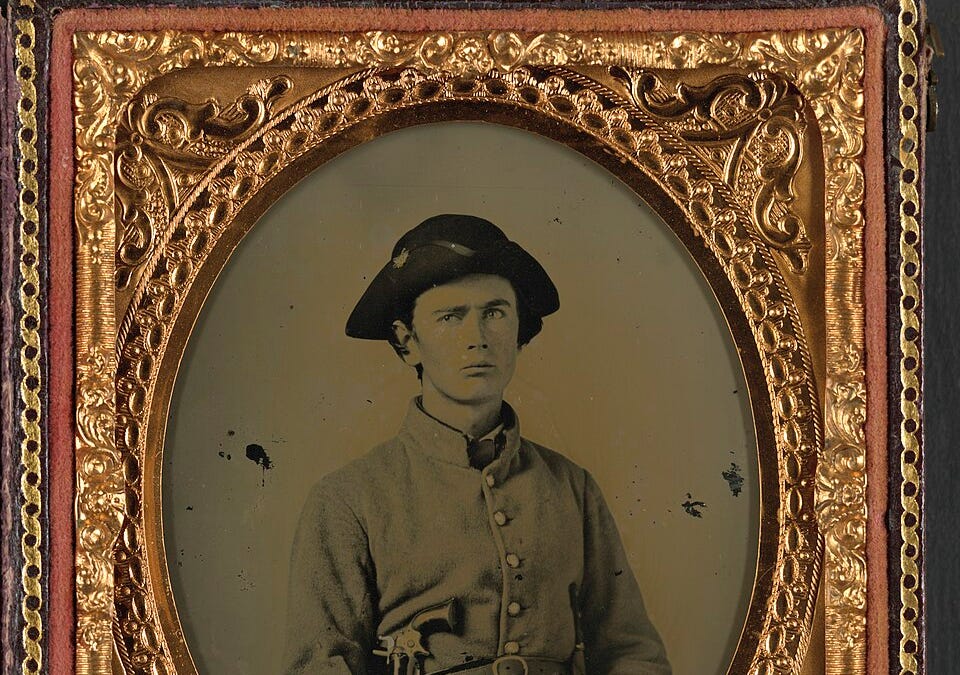
In the aftermath of the American Civil War, personal accounts from soldiers offered raw glimpses into the brutal realities of conflict, far removed from romanticized histories. George Cary Eggleston’s Southern Soldier Stories captures the unvarnished experiences of Confederate troops, emphasizing not just battles but the everyday struggles against scarcity and deprivation. This excerpt from his collection, titled “Random Facts,” vividly illustrates the ingenuity and endurance of Southern soldiers amid profound shortages—of clothing, medicine, ammunition, and even food—highlighting how necessity forged both practical innovations and spiritual resilience. It serves as a poignant reminder of the human cost of war, where survival often depended on makeshift solutions and unyielding determination.
https://humblymybrain.substack.com/p/confederate-soldiers-hardships-scarcity