

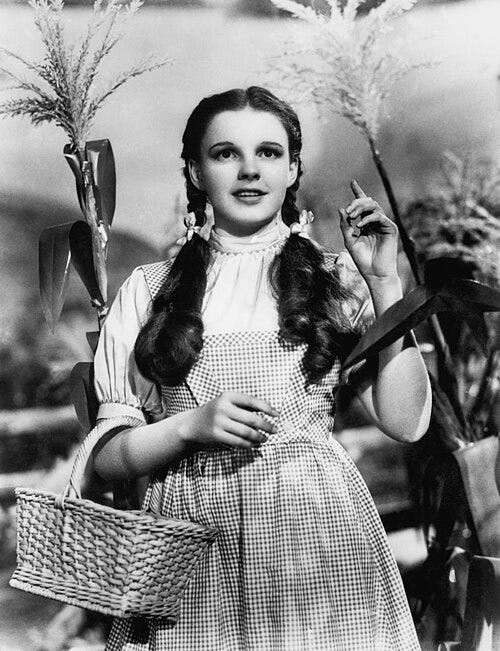
In the summer of 1939, as the world teetered on the brink of global conflict, American audiences found solace and wonder in the silver screen’s latest marvel: The Wizard of Oz. This Technicolor adaptation of L. Frank Baum’s beloved children’s book premiered amid great anticipation, captivating families with its blend of fantasy, music, and groundbreaking visual effects. The following article, published in the Roanoke Rapids Herald just days after the film’s release, captures the era’s unbridled enthusiasm for this cinematic gem. It highlights the film’s universal appeal, stellar performances, and innovative use of color—a novelty that left viewers spellbound. Preserved here in its original form, including any quirks of 1930s journalism, this piece offers a glimpse into how The Wizard of Oz was first received in small-town America, reminding us why it endures as a cultural touchstone.
https://humblymybrain.substack.com/p/1939-wizard-of-oz-film-review-vintage
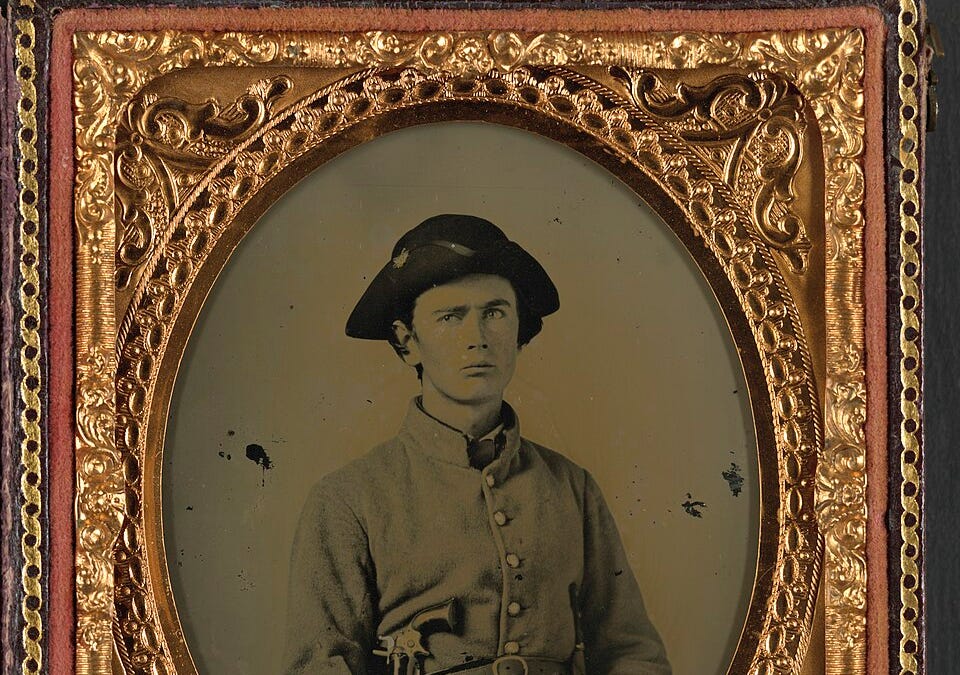
In the aftermath of the American Civil War, personal accounts from soldiers offered raw glimpses into the brutal realities of conflict, far removed from romanticized histories. George Cary Eggleston’s Southern Soldier Stories captures the unvarnished experiences of Confederate troops, emphasizing not just battles but the everyday struggles against scarcity and deprivation. This excerpt from his collection, titled “Random Facts,” vividly illustrates the ingenuity and endurance of Southern soldiers amid profound shortages—of clothing, medicine, ammunition, and even food—highlighting how necessity forged both practical innovations and spiritual resilience. It serves as a poignant reminder of the human cost of war, where survival often depended on makeshift solutions and unyielding determination.
https://humblymybrain.substack.com/p/confederate-soldiers-hardships-scarcity