

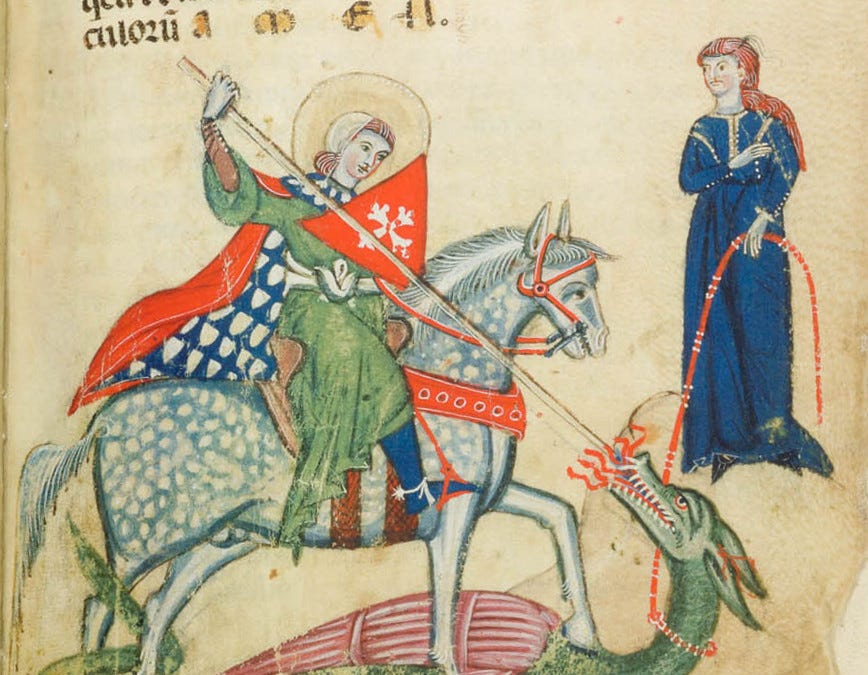
In the early 20th century, newspapers often delved into the curiosities of ancient lore, blending historical anecdotes with a touch of whimsy to captivate readers. This 1912 article from The Gazette-Times in Heppner, Oregon, offers a fascinating glimpse into how dragons were perceived in medieval natural history—not as mere fairy-tale creatures, but as documented beasts accepted by scholars of the time. Drawing from sources like medieval annals and naturalists such as Gesner and Aldrovandus, it paints a vivid picture of these “fiery dragons” as vengeful, flame-spewing monsters.
https://humblymybrain.substack.com/p/fiery-dragons-of-medieval-lore-mythical
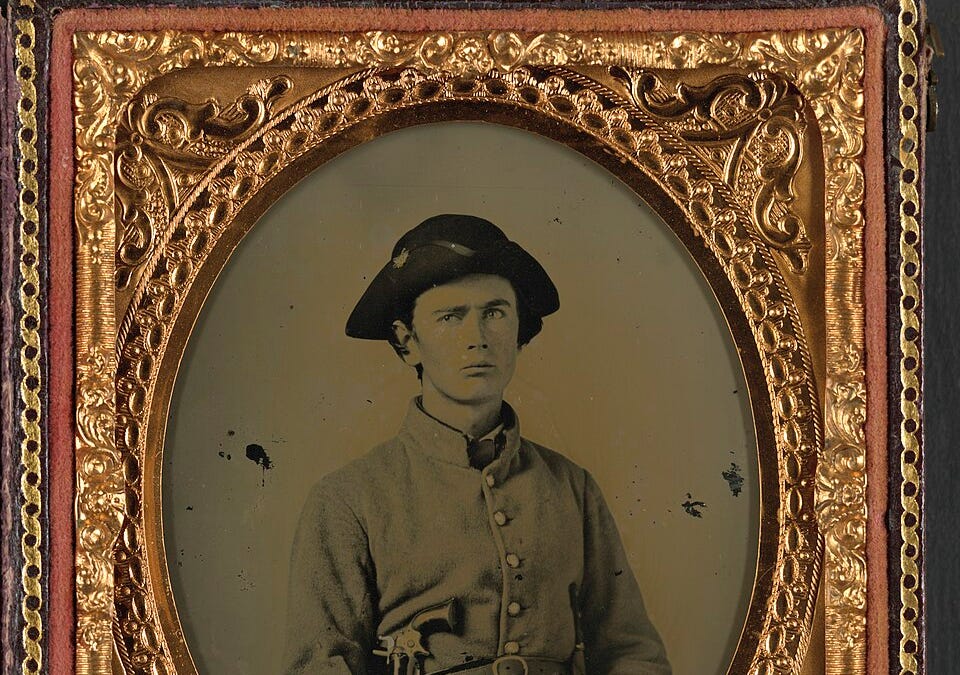
In the aftermath of the American Civil War, personal accounts from soldiers offered raw glimpses into the brutal realities of conflict, far removed from romanticized histories. George Cary Eggleston’s Southern Soldier Stories captures the unvarnished experiences of Confederate troops, emphasizing not just battles but the everyday struggles against scarcity and deprivation. This excerpt from his collection, titled “Random Facts,” vividly illustrates the ingenuity and endurance of Southern soldiers amid profound shortages—of clothing, medicine, ammunition, and even food—highlighting how necessity forged both practical innovations and spiritual resilience. It serves as a poignant reminder of the human cost of war, where survival often depended on makeshift solutions and unyielding determination.
https://humblymybrain.substack.com/p/confederate-soldiers-hardships-scarcity