

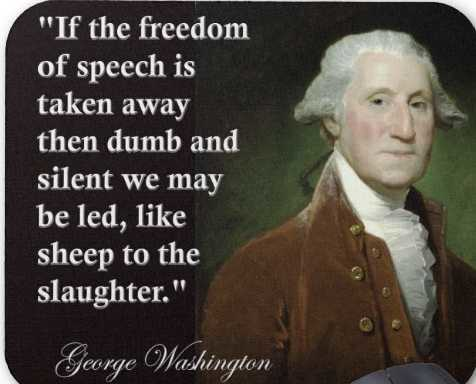
Martin Luther King, Jr. once said, “The ultimate tragedy is not the oppression and cruelty by the bad people but the silence over that by the good people.”
Along this same line of thinking, I would like to pose the following: the ultimate danger is not in the misinformation and the disinformation offered by the bad people or the uneducated, but it is the allowance of censorship in a free society by the people, good and bad, that will be the greatest danger to free thought and individual liberty.
Heinrich Heine said, "Where they have burned books, they will end in burning human beings."
Books are written from the ideas of their authors. Some ideas need work. Some ideas need critical feedback. Some ideas inspire and enlighten. Some ideas educate. Some ideas offer hope. All ideas come from individual minds. All individuals learn how to think through sharing their ideas.
Jordan Peterson has said, "In order to be able to think you have to risk being offensive." It is true that people are offended by ideas that differ from their own. New ideas, seemingly incorrect or misleading ideas, ideas that go against our established way of thinking can agitate the mind. But this exchange of ideas is a healthy thing for humanity. Peterson also said, “We outsource the problem of sanity. People remain mentally healthy not merely because of the integrity of their own minds, but because they are constantly being reminded how to think, act, and speak by those around them.” And how do we communicate with those around us today? Through our growing social media options and technology.
Social media and technology is where we share our modern writings, books, digital letters, and journals through a massive interconnected global net of individual minds. What will happen to those independent ideas deemed as misinformation and disinformation after those posts have been "burned" through technological censorship of the offended?
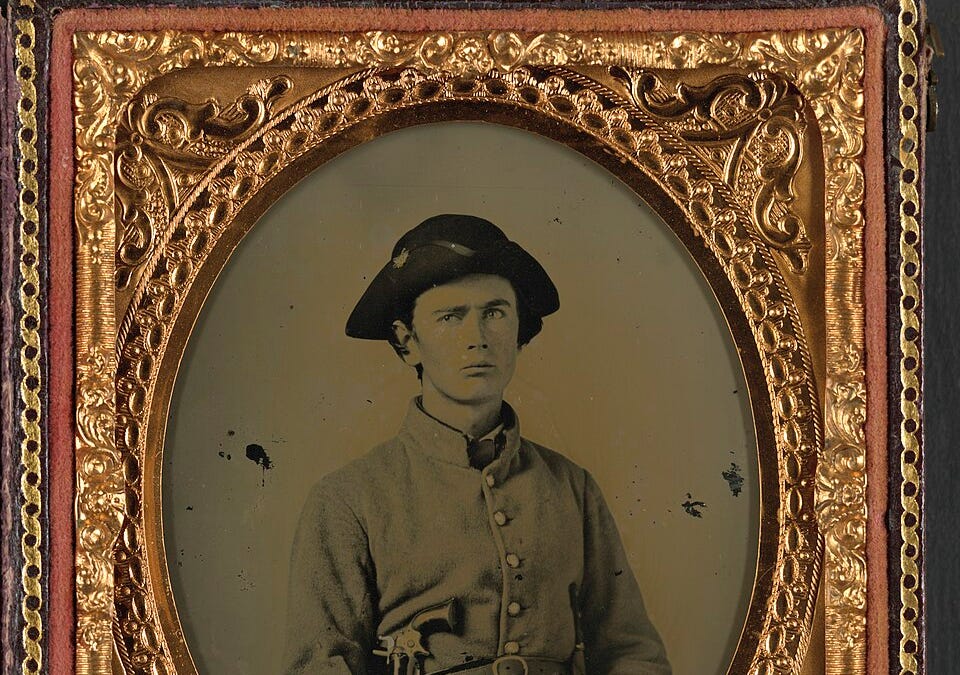
In the aftermath of the American Civil War, personal accounts from soldiers offered raw glimpses into the brutal realities of conflict, far removed from romanticized histories. George Cary Eggleston’s Southern Soldier Stories captures the unvarnished experiences of Confederate troops, emphasizing not just battles but the everyday struggles against scarcity and deprivation. This excerpt from his collection, titled “Random Facts,” vividly illustrates the ingenuity and endurance of Southern soldiers amid profound shortages—of clothing, medicine, ammunition, and even food—highlighting how necessity forged both practical innovations and spiritual resilience. It serves as a poignant reminder of the human cost of war, where survival often depended on makeshift solutions and unyielding determination.
https://humblymybrain.substack.com/p/confederate-soldiers-hardships-scarcity