

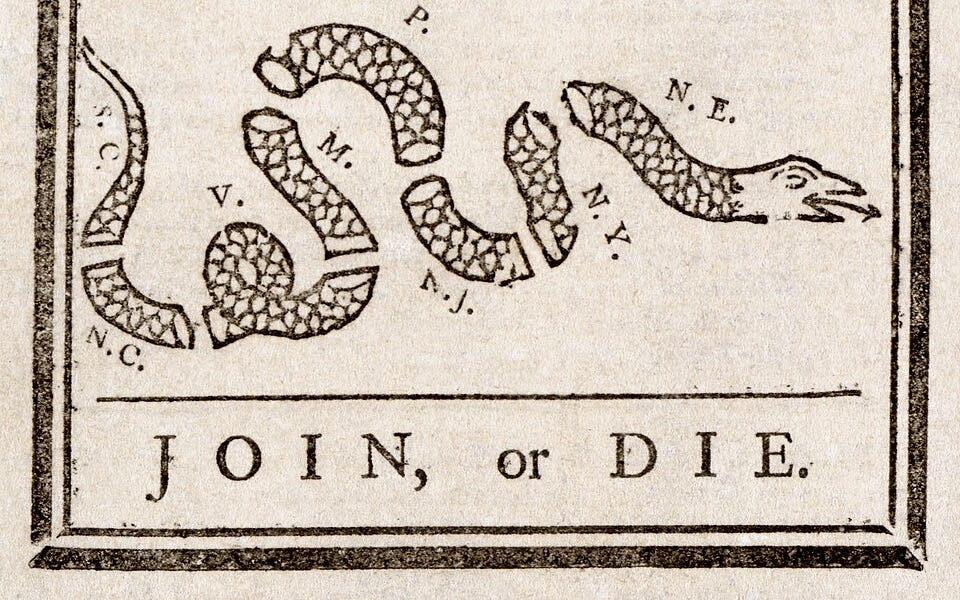
The American press during the 1790s played a role analogous to that of today’s electronic media, which, like today, was used as a vehicle to attack the principles and policies of the opposing political parties of the period. Since the dawn of a literate public actively engaged in government, politicians have both supported and cursed the effects of the press on the political process. The rapidly growing media of the late eighteenth century was seen as a necessary evil that could serve or destroy the evolution of the new federal government.
https://humblymybrain.substack.com/p/the-press-as-a-weapon-how-1790s-newspapers
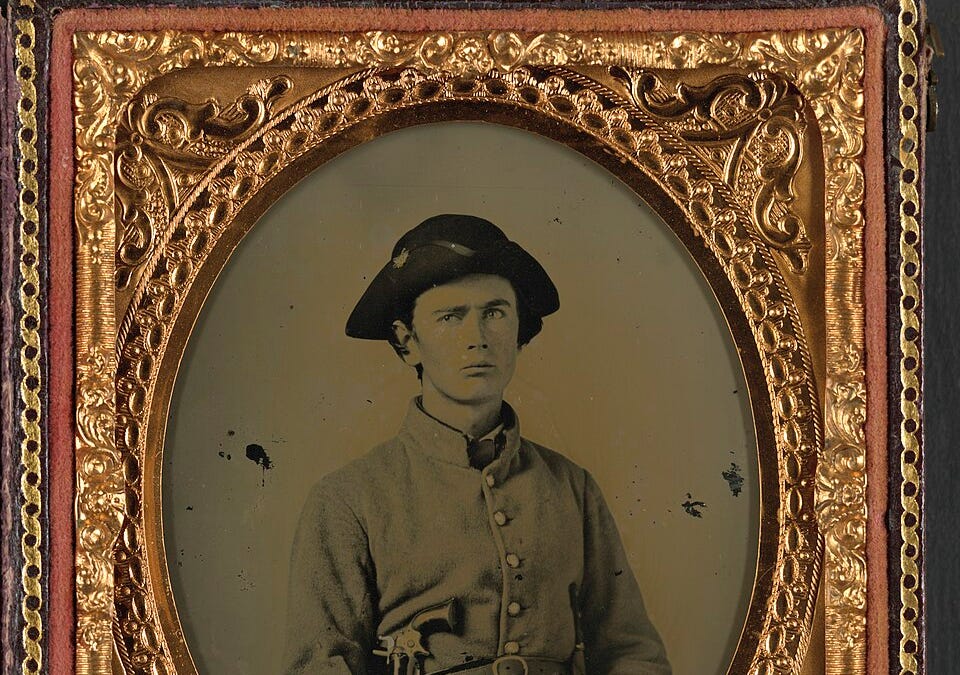
In the aftermath of the American Civil War, personal accounts from soldiers offered raw glimpses into the brutal realities of conflict, far removed from romanticized histories. George Cary Eggleston’s Southern Soldier Stories captures the unvarnished experiences of Confederate troops, emphasizing not just battles but the everyday struggles against scarcity and deprivation. This excerpt from his collection, titled “Random Facts,” vividly illustrates the ingenuity and endurance of Southern soldiers amid profound shortages—of clothing, medicine, ammunition, and even food—highlighting how necessity forged both practical innovations and spiritual resilience. It serves as a poignant reminder of the human cost of war, where survival often depended on makeshift solutions and unyielding determination.
https://humblymybrain.substack.com/p/confederate-soldiers-hardships-scarcity