
In an era before air conditioning and mass tourism, American summers often meant escaping to the coast for simple, invigorating pleasures—sea air, fresh seafood, and carefree days with family and friends. William Newell Hull’s Fishing Across the Continent (1905) captures this spirit in vivid, nostalgic prose aimed at young readers, contrasting the “merciless” chill of the Pacific with the welcoming warmth of the Atlantic. Through hyperbolic yet affectionate descriptions, Hull paints the Atlantic as a joyful companion—inviting bathers to swim, fish, and revel—while portraying the Pacific as a scowling adversary. The excerpt shifts to a delightful vignette of cottage life at Indian Neck near Branford, Connecticut, evoking the sensory joys of a seaside holiday: hearty breakfasts, mischievous pillow fights through open partitions, and the promise of clamming adventures. It’s a charming snapshot of early 20th-century East Coast leisure, full of wonder and gentle exaggeration, reminding us how the ocean once shaped not just geography, but the rhythm of American vacations.
https://humblymybrain.substack.com/p/atlantic-vs-pacific-coast-why-the

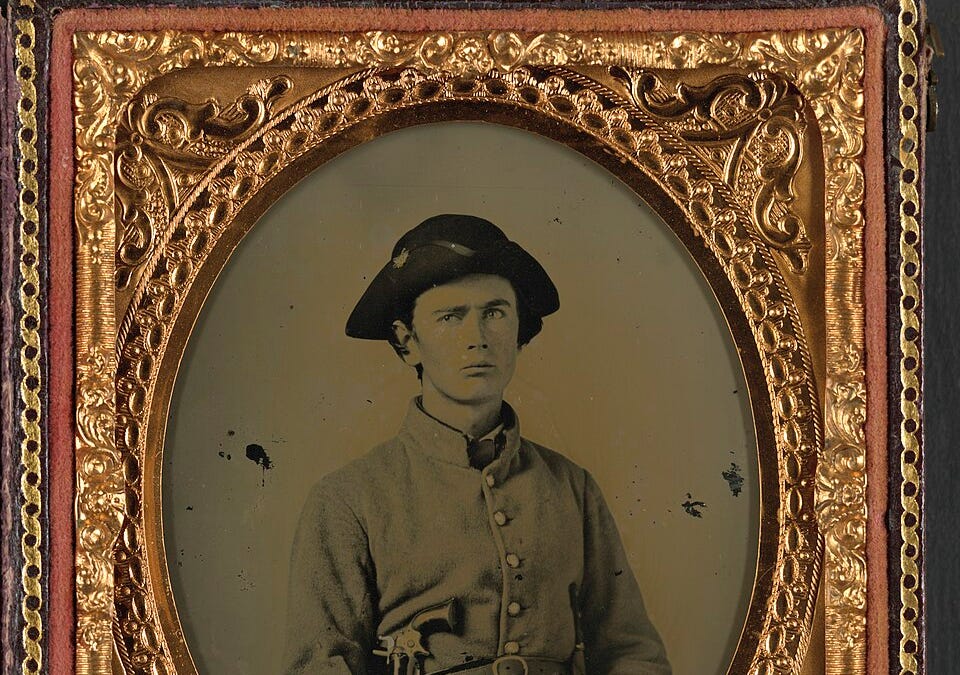
In the aftermath of the American Civil War, personal accounts from soldiers offered raw glimpses into the brutal realities of conflict, far removed from romanticized histories. George Cary Eggleston’s Southern Soldier Stories captures the unvarnished experiences of Confederate troops, emphasizing not just battles but the everyday struggles against scarcity and deprivation. This excerpt from his collection, titled “Random Facts,” vividly illustrates the ingenuity and endurance of Southern soldiers amid profound shortages—of clothing, medicine, ammunition, and even food—highlighting how necessity forged both practical innovations and spiritual resilience. It serves as a poignant reminder of the human cost of war, where survival often depended on makeshift solutions and unyielding determination.
https://humblymybrain.substack.com/p/confederate-soldiers-hardships-scarcity