

In the gaslit twilight of late-Victorian England, where faith and skepticism clashed like flint and steel, a forgotten gem of macabre fiction captures the era’s uneasy fascination with death, doubt, and the thin veil between the living and the dead. “The Student and the Body-Snatcher,” penned in 1890 by Robinson K. Leather and Richard Le Gallienne, is a compact, wickedly ironic tale that reads like a dark parable. A godless scholar surrounds himself with symbols of mortality, only to find that mortality has a way of claiming him in return. Part gothic horror, part philosophical jest, and laced with subtle anticlerical bite, the story lingers like pipe-smoke in an attic—haunting, wry, and strangely modern in its treatment of existential dread. Rediscovered here in full, it offers today’s readers a deliciously unsettling window into the end of the century imagination.
https://humblymybrain.substack.com/p/the-student-and-the-body-snatcher
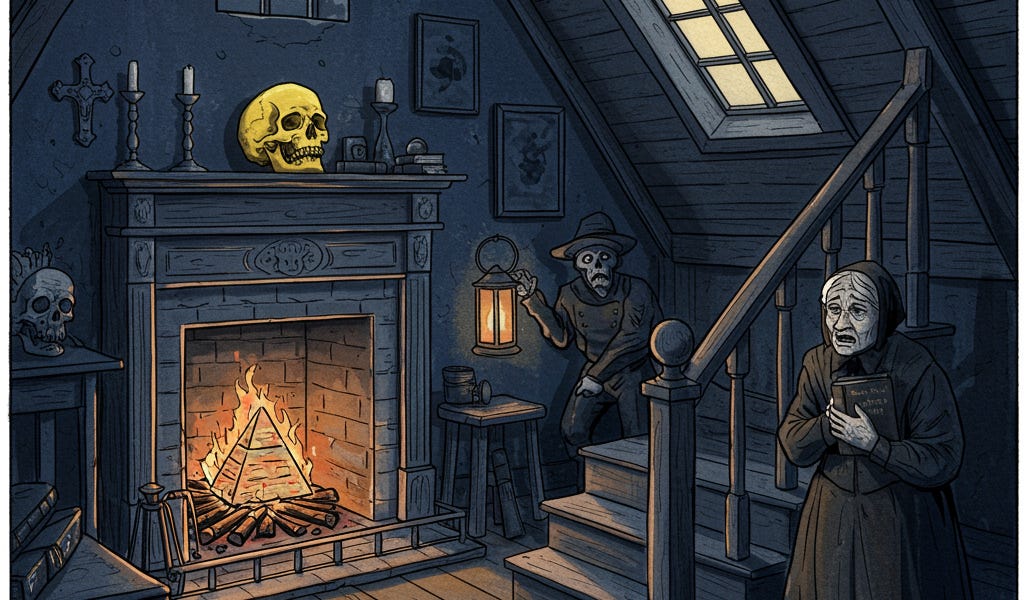
In the aftermath of the American Civil War, personal accounts from soldiers offered raw glimpses into the brutal realities of conflict, far removed from romanticized histories. George Cary Eggleston’s Southern Soldier Stories captures the unvarnished experiences of Confederate troops, emphasizing not just battles but the everyday struggles against scarcity and deprivation. This excerpt from his collection, titled “Random Facts,” vividly illustrates the ingenuity and endurance of Southern soldiers amid profound shortages—of clothing, medicine, ammunition, and even food—highlighting how necessity forged both practical innovations and spiritual resilience. It serves as a poignant reminder of the human cost of war, where survival often depended on makeshift solutions and unyielding determination.
https://humblymybrain.substack.com/p/confederate-soldiers-hardships-scarcity