

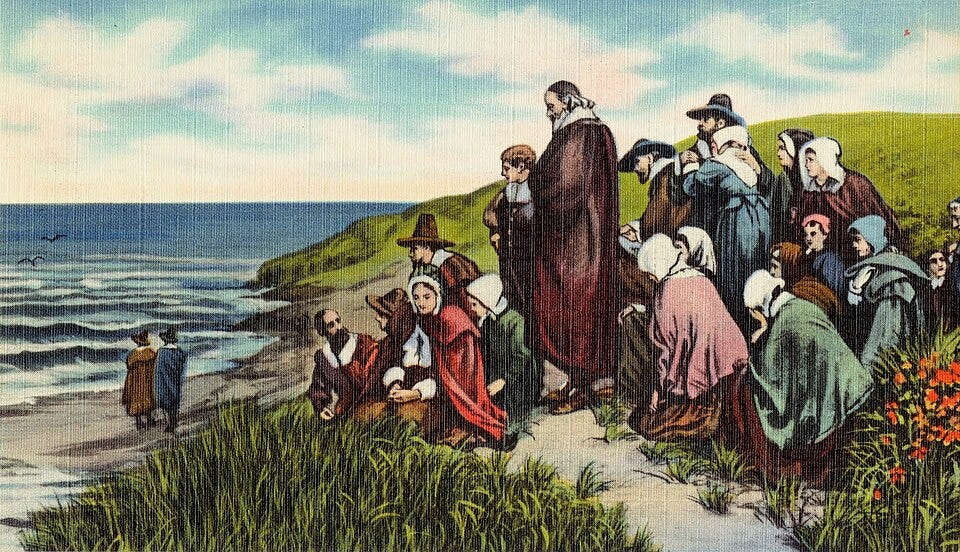
In the pages of 19th-century American historical writing, few chapters capture the fervent belief in divine guidance quite like this one. Drawing from the earliest Pilgrim records and eyewitness accounts, Henry White portrays the 1620 landing at Plymouth not as mere chance or human endurance, but as a deliberate act of God’s “peculiar regard” for a small band of faithful exiles. Through pestilence that cleared the land, an accidental northern detour, timely friendships with Native leaders, miraculous escapes from conspiracy and famine, and even rain sent in answer to prayer, White shows how every hardship and deliverance revealed the hand of Providence. This excerpt—originally Chapter IV of his 1859 volume—reminds modern readers why the Pilgrims saw their survival as nothing less than a sacred covenant. It is a story of faith tested and faith rewarded, of a people who believed God had brought them to the edge of the wilderness for His glory and their good.
https://humblymybrain.substack.com/p/divine-providence-and-the-pilgrims
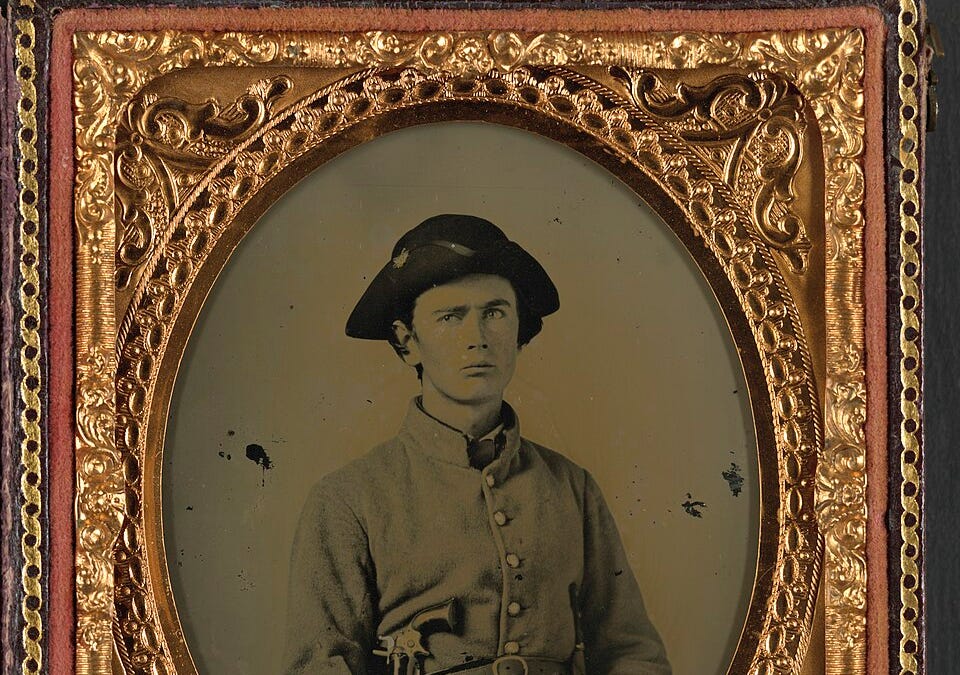
In the aftermath of the American Civil War, personal accounts from soldiers offered raw glimpses into the brutal realities of conflict, far removed from romanticized histories. George Cary Eggleston’s Southern Soldier Stories captures the unvarnished experiences of Confederate troops, emphasizing not just battles but the everyday struggles against scarcity and deprivation. This excerpt from his collection, titled “Random Facts,” vividly illustrates the ingenuity and endurance of Southern soldiers amid profound shortages—of clothing, medicine, ammunition, and even food—highlighting how necessity forged both practical innovations and spiritual resilience. It serves as a poignant reminder of the human cost of war, where survival often depended on makeshift solutions and unyielding determination.
https://humblymybrain.substack.com/p/confederate-soldiers-hardships-scarcity