

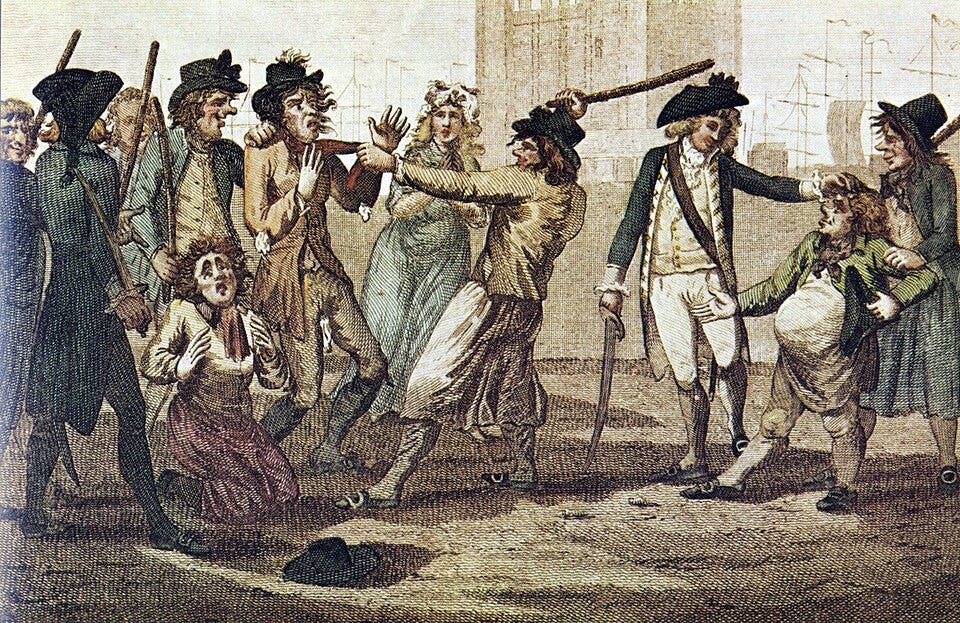
In the shadow of Napoleon’s wars, the mighty British Royal Navy ruled the oceans—but at a terrible human cost. Desperate for sailors to man its wooden walls against France and Spain, Britain turned to one of the most hated practices of the age: impressment, the forced seizure of men from the streets, taverns, and even foreign ships. For the young United States, still asserting its independence on the world stage, this was no mere inconvenience. It was a daily violation of sovereignty, a slap to national honor, and the spark that finally ignited the War of 1812. James Russell Soley’s vivid 1887 account pulls no punches, showing how British arrogance and American patience collided on the high seas. What follows is the raw, unfiltered story of how press-gangs and broadsides pushed a fledgling nation to war.
https://humblymybrain.substack.com/p/impressment-how-british-forced-recruitment
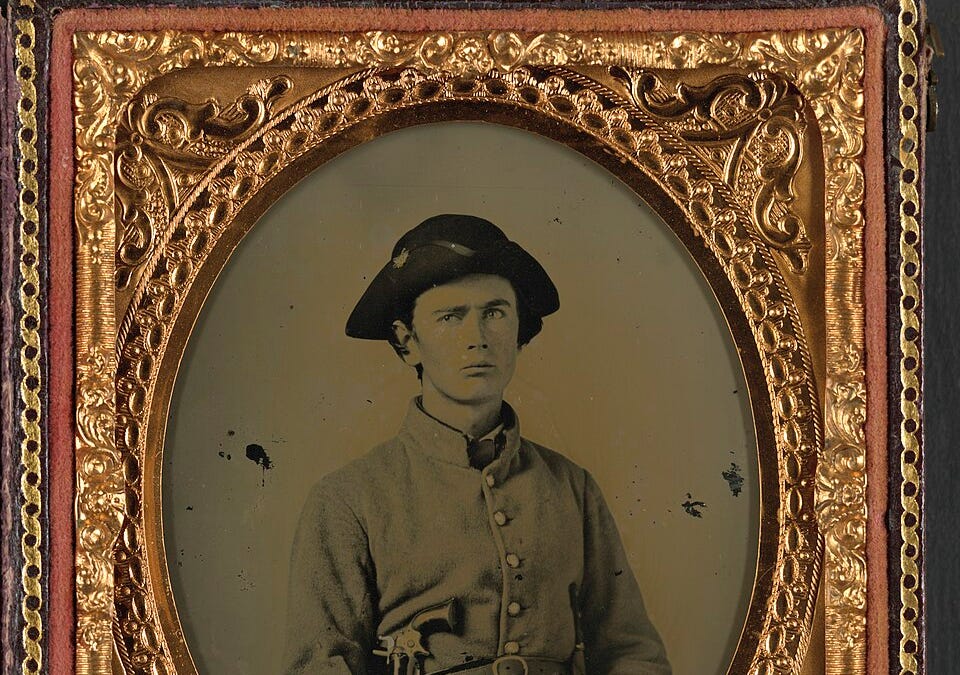
In the aftermath of the American Civil War, personal accounts from soldiers offered raw glimpses into the brutal realities of conflict, far removed from romanticized histories. George Cary Eggleston’s Southern Soldier Stories captures the unvarnished experiences of Confederate troops, emphasizing not just battles but the everyday struggles against scarcity and deprivation. This excerpt from his collection, titled “Random Facts,” vividly illustrates the ingenuity and endurance of Southern soldiers amid profound shortages—of clothing, medicine, ammunition, and even food—highlighting how necessity forged both practical innovations and spiritual resilience. It serves as a poignant reminder of the human cost of war, where survival often depended on makeshift solutions and unyielding determination.
https://humblymybrain.substack.com/p/confederate-soldiers-hardships-scarcity