

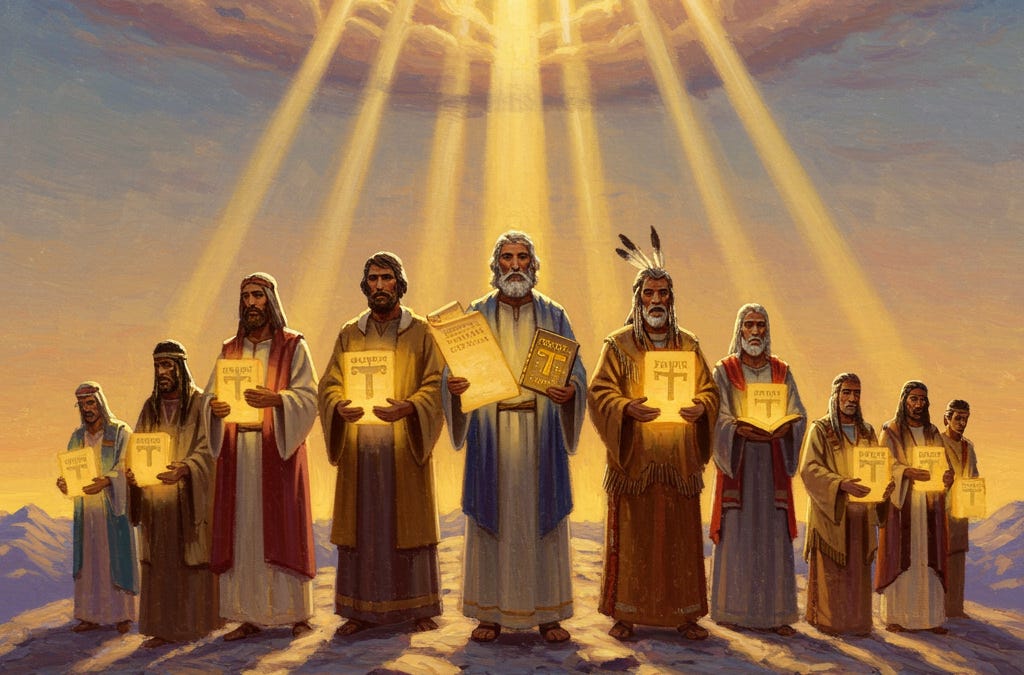
The Bible, revered by billions as the word of God, stands as a profound collection of ancient writings that chronicle humanity’s interactions with the divine. Yet, nowhere within its pages does it explicitly declare itself to be the complete and final repository of God’s revelations. In fact, the very structure and history of the Bible—compiled over centuries from the words of multiple prophets, oral traditions, and diverse texts—undermines the notion that it is, or ever will be, the sole scripture. This compilation process, involving councils, translations, and selective canonization, reflects a dynamic interplay of human and divine elements, suggesting that God’s communication with humanity is not confined to a single volume. Instead, it invites the possibility of continued prophetic guidance and additional sacred writings, aligning with the Bible’s own teachings on an unchanging God who calls prophets across time and peoples.
https://humblymybrain.substack.com/p/unlocking-ongoing-revelation-why
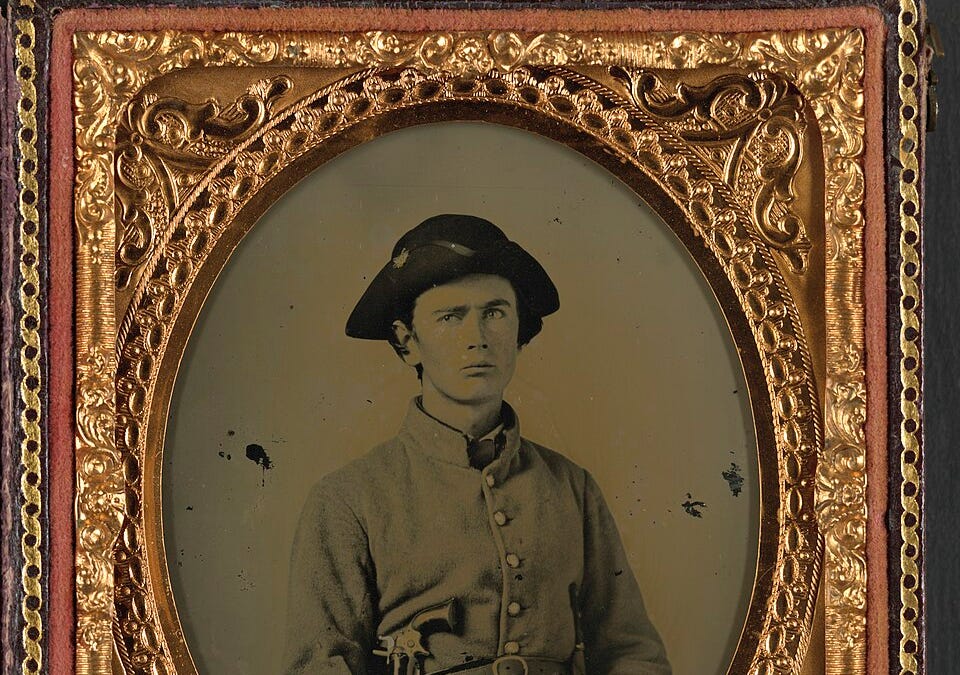
In the aftermath of the American Civil War, personal accounts from soldiers offered raw glimpses into the brutal realities of conflict, far removed from romanticized histories. George Cary Eggleston’s Southern Soldier Stories captures the unvarnished experiences of Confederate troops, emphasizing not just battles but the everyday struggles against scarcity and deprivation. This excerpt from his collection, titled “Random Facts,” vividly illustrates the ingenuity and endurance of Southern soldiers amid profound shortages—of clothing, medicine, ammunition, and even food—highlighting how necessity forged both practical innovations and spiritual resilience. It serves as a poignant reminder of the human cost of war, where survival often depended on makeshift solutions and unyielding determination.
https://humblymybrain.substack.com/p/confederate-soldiers-hardships-scarcity