

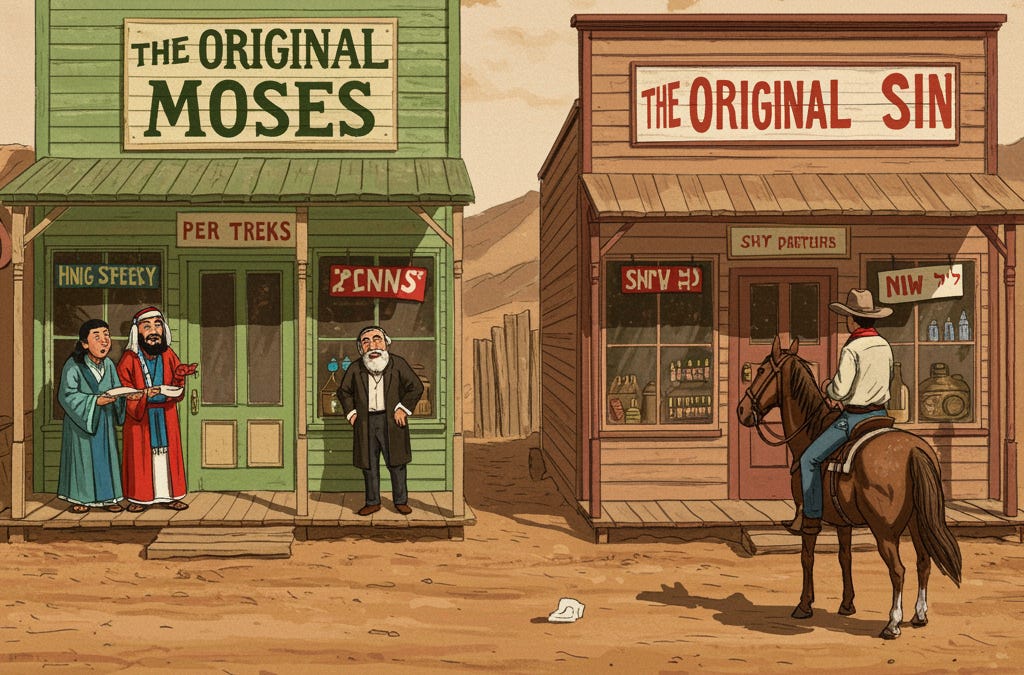
In the dusty frontier towns of early 20th-century America, where cultural clashes and entrepreneurial spirit collided amid the harsh landscapes of the Southwest, stories of cunning competition and subtle wit often captured the essence of immigrant experiences and racial dynamics. W. T. Larned’s short story “Moses Comes to Burning Bush,” published in 1916, offers a satirical glimpse into this world through the rivalry between a Chinese merchant and a Jewish newcomer in a fictional New Mexico town. Drawing on biblical allusions and cultural stereotypes of the era, the tale cleverly explores themes of commerce, identity, and resilience, reminding us how humor can underscore deeper social commentaries.
https://humblymybrain.substack.com/p/original-sin-vs-original-moses-a
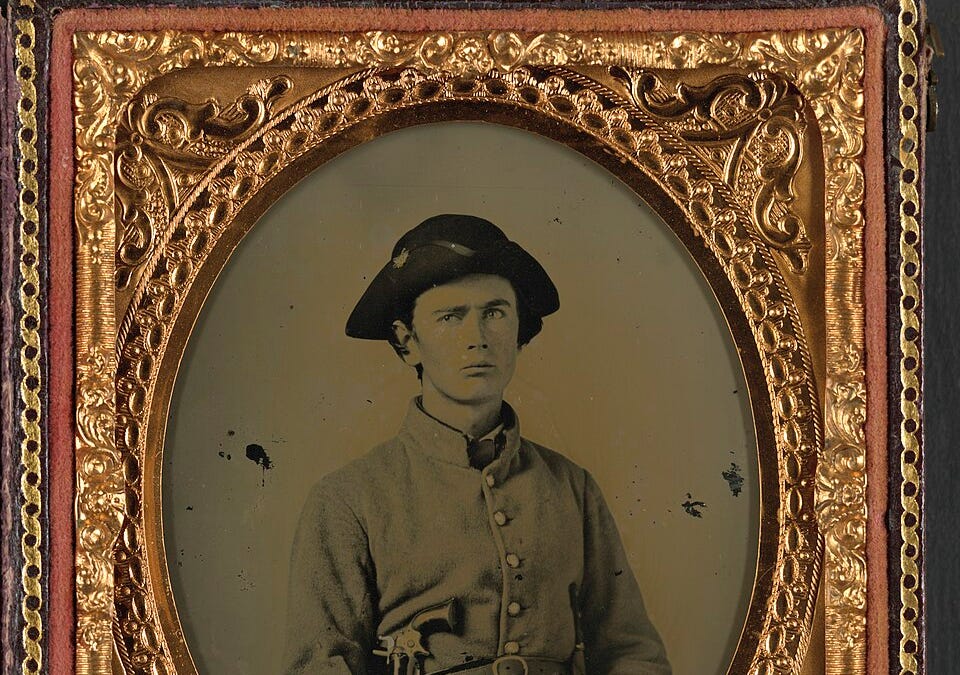
In the aftermath of the American Civil War, personal accounts from soldiers offered raw glimpses into the brutal realities of conflict, far removed from romanticized histories. George Cary Eggleston’s Southern Soldier Stories captures the unvarnished experiences of Confederate troops, emphasizing not just battles but the everyday struggles against scarcity and deprivation. This excerpt from his collection, titled “Random Facts,” vividly illustrates the ingenuity and endurance of Southern soldiers amid profound shortages—of clothing, medicine, ammunition, and even food—highlighting how necessity forged both practical innovations and spiritual resilience. It serves as a poignant reminder of the human cost of war, where survival often depended on makeshift solutions and unyielding determination.
https://humblymybrain.substack.com/p/confederate-soldiers-hardships-scarcity