

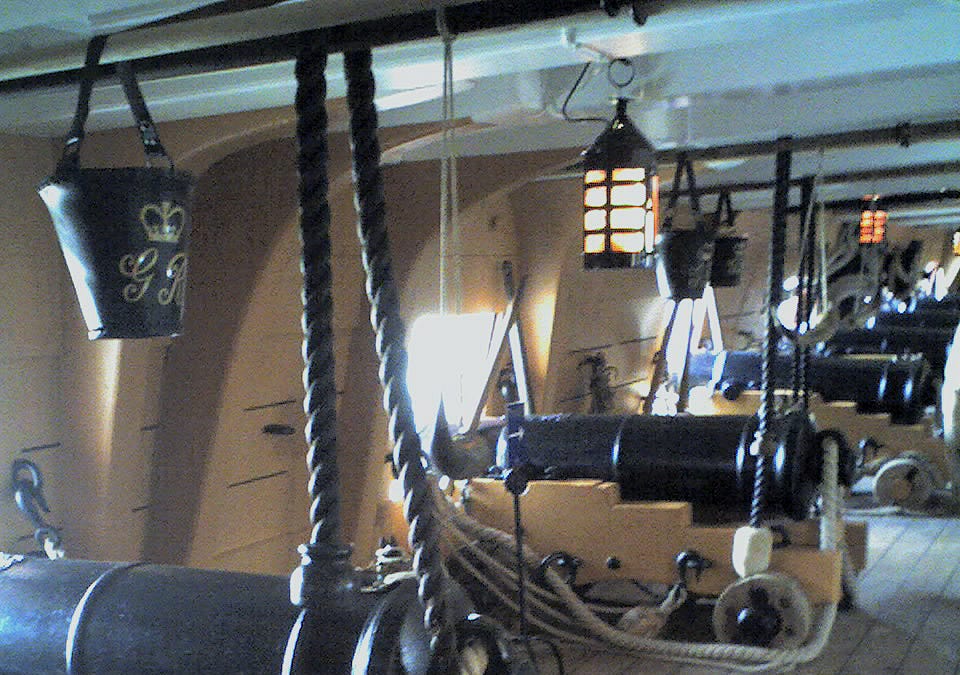
In Victor Hugo’s epic novel Ninety-Three (Quatrevingt-treize), set amid the turmoil of the French Revolution, one of the most gripping and symbolic scenes unfolds at sea aboard a royalist corvette. A massive cannon breaks free from its moorings, transforming from a tool of war into a chaotic, almost demonic force that threatens to destroy the ship and everyone aboard. What follows is a visceral battle between man and machine, intelligence and brute matter, courage and catastrophe. This excerpt, often anthologized as “The Man and the Cannon,” captures Hugo’s signature blend of dramatic intensity, philosophical depth, and vivid imagery, illustrating themes of human defiance, the unpredictability of fate, and the raw power of both nature and inanimate objects unleashed. It remains a timeless portrayal of peril and heroism on the high seas.
https://humblymybrain.substack.com/p/victor-hugos-the-man-and-the-cannon
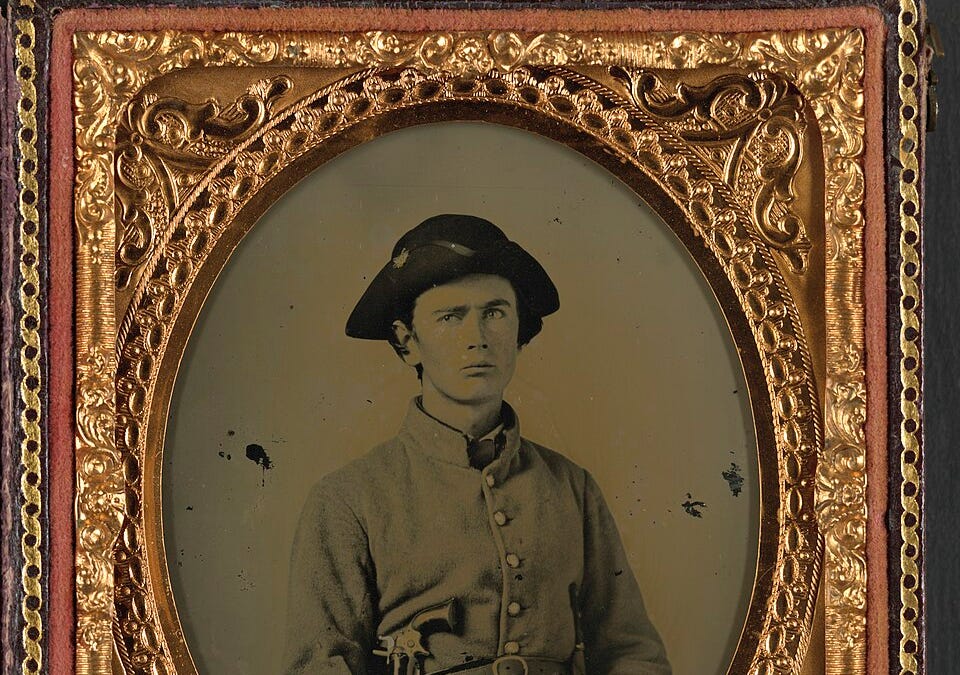
In the aftermath of the American Civil War, personal accounts from soldiers offered raw glimpses into the brutal realities of conflict, far removed from romanticized histories. George Cary Eggleston’s Southern Soldier Stories captures the unvarnished experiences of Confederate troops, emphasizing not just battles but the everyday struggles against scarcity and deprivation. This excerpt from his collection, titled “Random Facts,” vividly illustrates the ingenuity and endurance of Southern soldiers amid profound shortages—of clothing, medicine, ammunition, and even food—highlighting how necessity forged both practical innovations and spiritual resilience. It serves as a poignant reminder of the human cost of war, where survival often depended on makeshift solutions and unyielding determination.
https://humblymybrain.substack.com/p/confederate-soldiers-hardships-scarcity