

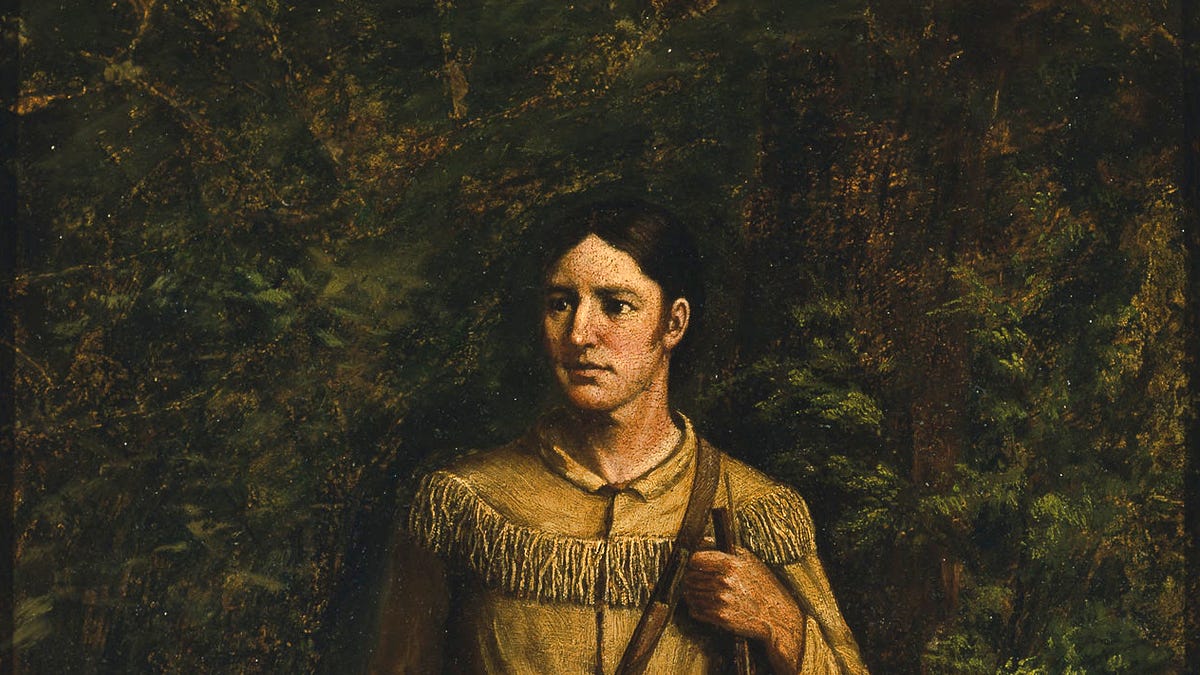
David Crockett, often romanticized as the quintessential frontiersman of early American history, embodies the rugged spirit of the western wilderness that shaped the nation’s expansion. Born into a world of peril and opportunity on the untamed edges of Tennessee, Crockett’s life story unfolds as a tapestry of adventure, hardship, and unyielding resilience. Drawing from a 19th-century biographical sketch, this chapter from Samuel G. Goodrich’s book, Curiosities of Human Nature (1843), delves into his origins, marked by Indian conflicts and family tragedies, through his youthful escapades, military exploits, and eventual rise to political prominence. Far from a polished hero, Crockett emerges as a flawed yet authentic figure—illiterate until his teens, driven by instinct and wit, and forever tied to the vanishing world of hunters and pioneers. His narrative not only illuminates the brutal realities of border life but also offers timeless insights into human perseverance, making it a compelling window into America’s formative era.
https://humblymybrain.substack.com/p/the-untamed-life-of-david-crockett
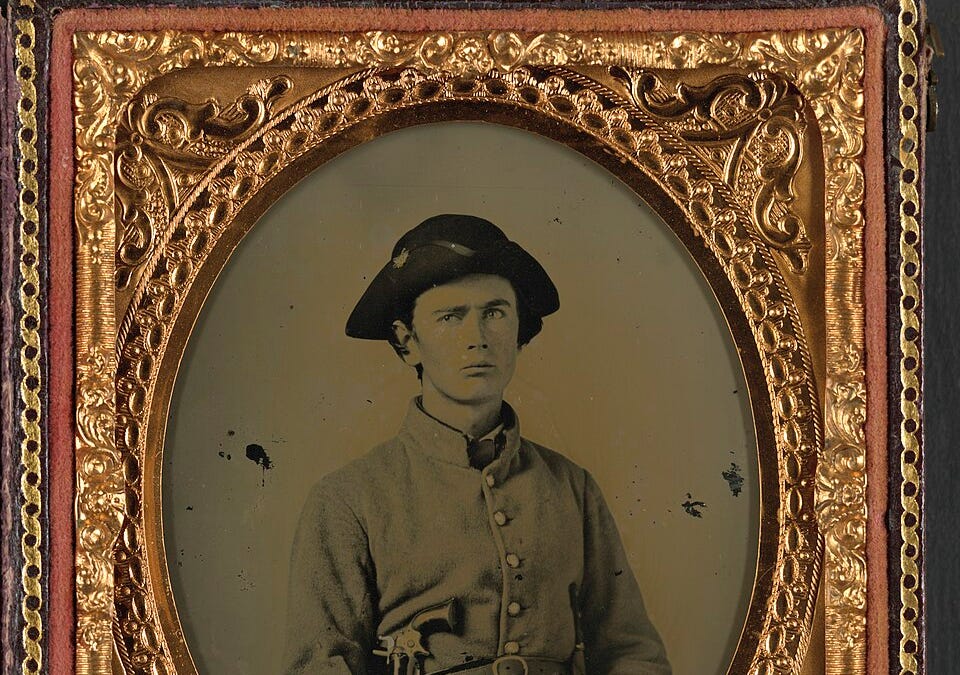
In the aftermath of the American Civil War, personal accounts from soldiers offered raw glimpses into the brutal realities of conflict, far removed from romanticized histories. George Cary Eggleston’s Southern Soldier Stories captures the unvarnished experiences of Confederate troops, emphasizing not just battles but the everyday struggles against scarcity and deprivation. This excerpt from his collection, titled “Random Facts,” vividly illustrates the ingenuity and endurance of Southern soldiers amid profound shortages—of clothing, medicine, ammunition, and even food—highlighting how necessity forged both practical innovations and spiritual resilience. It serves as a poignant reminder of the human cost of war, where survival often depended on makeshift solutions and unyielding determination.
https://humblymybrain.substack.com/p/confederate-soldiers-hardships-scarcity