

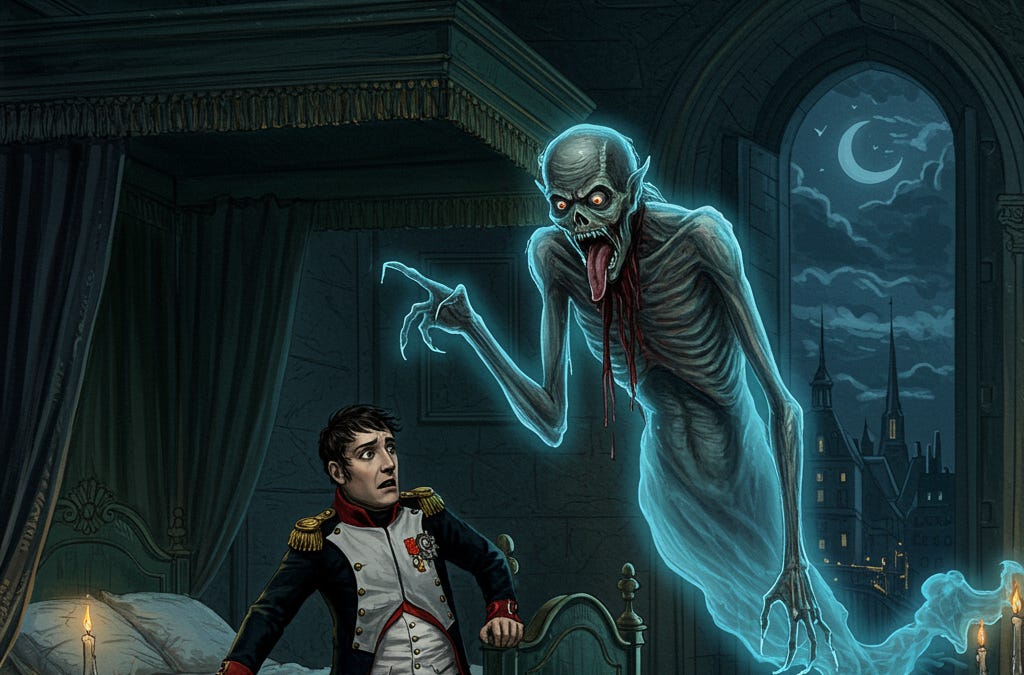
In the shadowy realms of gothic literature, where history intertwines with the supernatural, Charlotte Brontë’s lesser-known tale “Napoleon and the Spectre” emerges as a haunting vignette of imperial ambition clashing with spectral retribution. This short story delves into the psyche of one of history’s most formidable figures, Napoleon Bonaparte, as he confronts a ghostly apparition amid the opulent yet eerie confines of his bedchamber. Drawing from real historical suspicions surrounding the death of General Pichegru—a conspirator against Napoleon—the narrative blends elements of horror, mystery, and psychological intrigue. Brontë, with her signature flair for atmospheric tension and moral undertones, crafts a somnambulistic journey that questions guilt, power, and the thin veil between reality and delusion. This excerpt, preserved from a rare 1919 private printing and now accessible through digital archives, offers readers a glimpse into Brontë’s versatility beyond her novels, reminding us that even emperors are not immune to the ghosts of their past deeds.
https://humblymybrain.substack.com/p/napoleon-haunted-charlotte-brontes
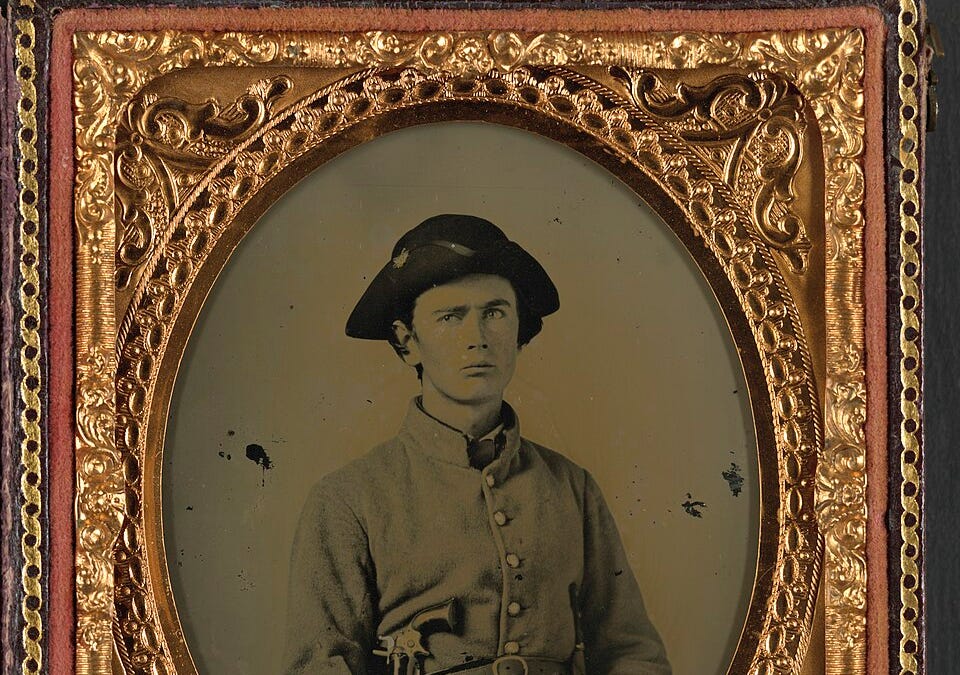
In the aftermath of the American Civil War, personal accounts from soldiers offered raw glimpses into the brutal realities of conflict, far removed from romanticized histories. George Cary Eggleston’s Southern Soldier Stories captures the unvarnished experiences of Confederate troops, emphasizing not just battles but the everyday struggles against scarcity and deprivation. This excerpt from his collection, titled “Random Facts,” vividly illustrates the ingenuity and endurance of Southern soldiers amid profound shortages—of clothing, medicine, ammunition, and even food—highlighting how necessity forged both practical innovations and spiritual resilience. It serves as a poignant reminder of the human cost of war, where survival often depended on makeshift solutions and unyielding determination.
https://humblymybrain.substack.com/p/confederate-soldiers-hardships-scarcity