

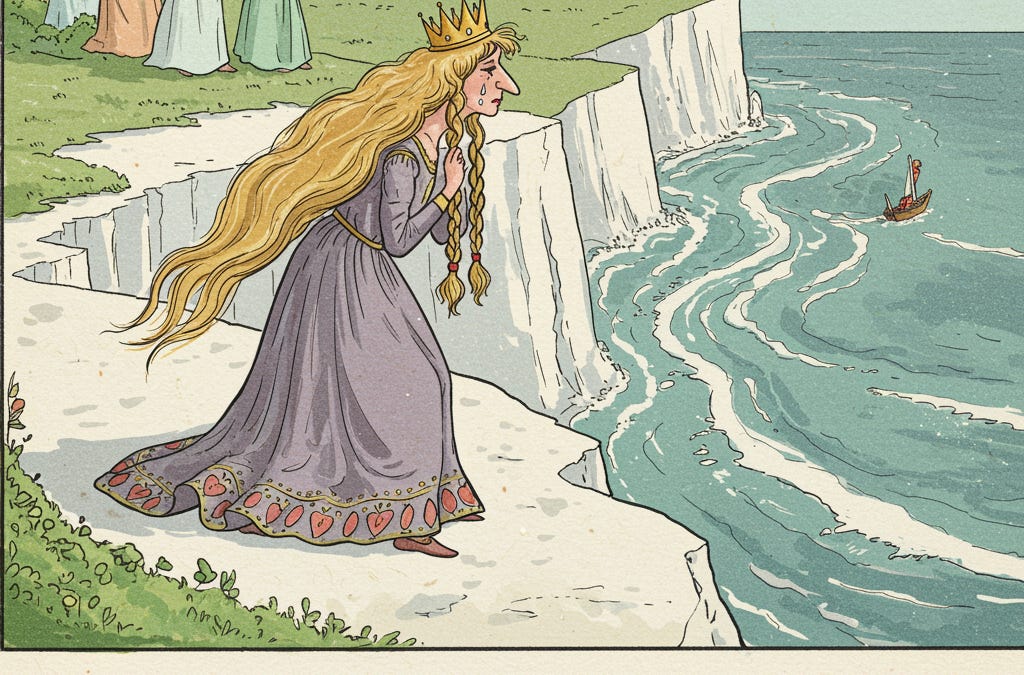
In the enchanting world of early 20th-century children’s literature, Leonora de Lima Andrews weaves tales that blend whimsy, humor, and subtle satire. Her 1924 collection, Do You Believe in Fairies?, offers delightful short stories that often draw from folklore and everyday absurdities. “Beauty and the Beach” stands out as a playful fable set in ancient Britain, where a vain princess grapples with an all-too-relatable beauty woe. Through clever wordplay and lighthearted exaggeration, Andrews explores themes of vanity, discovery, and the origins of cosmetic rituals, reminding us that even in fairy tales, perfection is often found in the most unexpected places—like a dusty cliffside.
https://humblymybrain.substack.com/p/ancient-beauty-secrets-the-whimsical
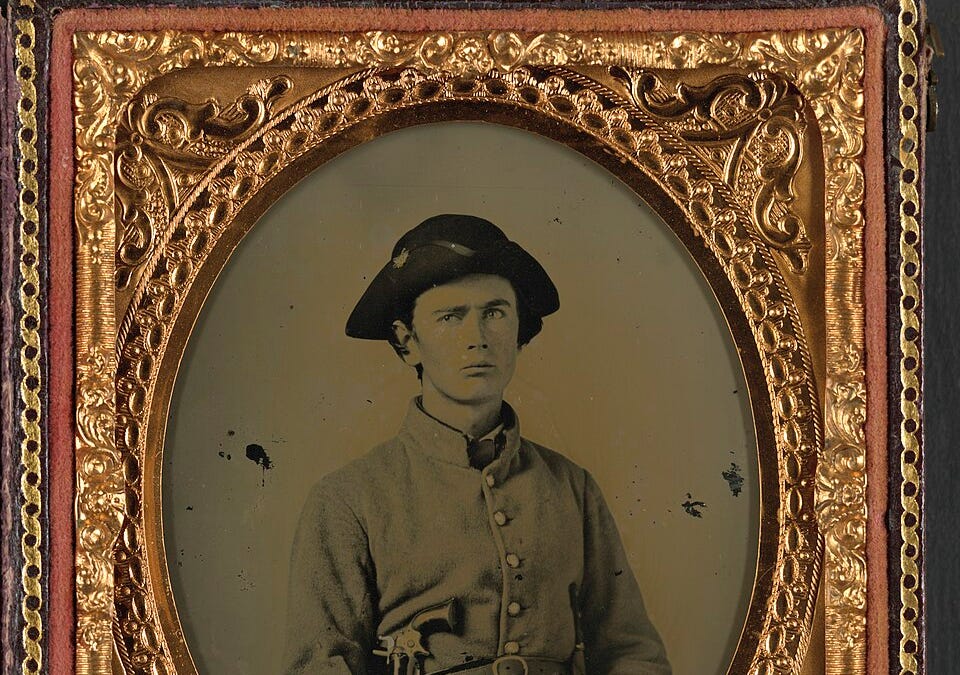
In the aftermath of the American Civil War, personal accounts from soldiers offered raw glimpses into the brutal realities of conflict, far removed from romanticized histories. George Cary Eggleston’s Southern Soldier Stories captures the unvarnished experiences of Confederate troops, emphasizing not just battles but the everyday struggles against scarcity and deprivation. This excerpt from his collection, titled “Random Facts,” vividly illustrates the ingenuity and endurance of Southern soldiers amid profound shortages—of clothing, medicine, ammunition, and even food—highlighting how necessity forged both practical innovations and spiritual resilience. It serves as a poignant reminder of the human cost of war, where survival often depended on makeshift solutions and unyielding determination.
https://humblymybrain.substack.com/p/confederate-soldiers-hardships-scarcity