

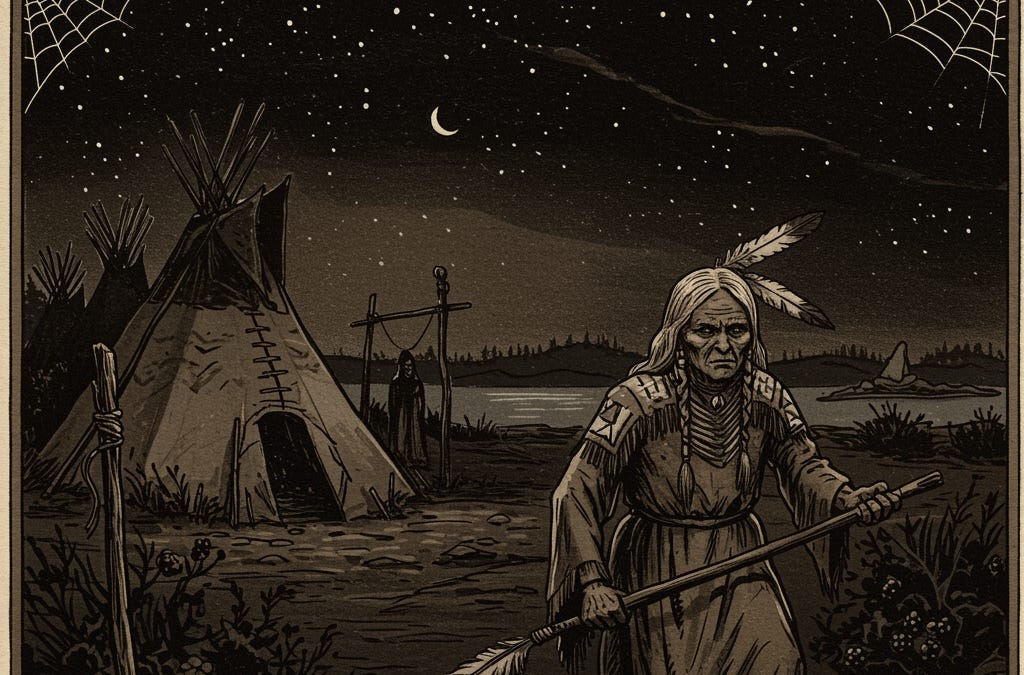
In the early 20th century, newspapers published by and for Native American communities, such as The Indian Leader from the Haskell Institute in Lawrence, Kansas, often featured folklore, legends, and stories contributed by students, alumni, or affiliates. These pieces blended oral traditions with written retellings, sometimes reflecting cultural narratives passed down through generations, though filtered through the era’s perspectives and editorial choices. “The Legend of the Spider Tribe,” attributed to James Irving in the “Peace Pipe” section (likely a column or feature), appeared in the September 12, 1913, issue. This tale describes a mysterious, solitary “Spider Tribe” with supernatural abilities to communicate with animals, alongside a trickster-like “Spider man” whose cunning escape and deception echo broader Native American trickster motifs (such as Iktomi in Lakota traditions). While no historical tribe matches this exact name, the story captures elements of ...
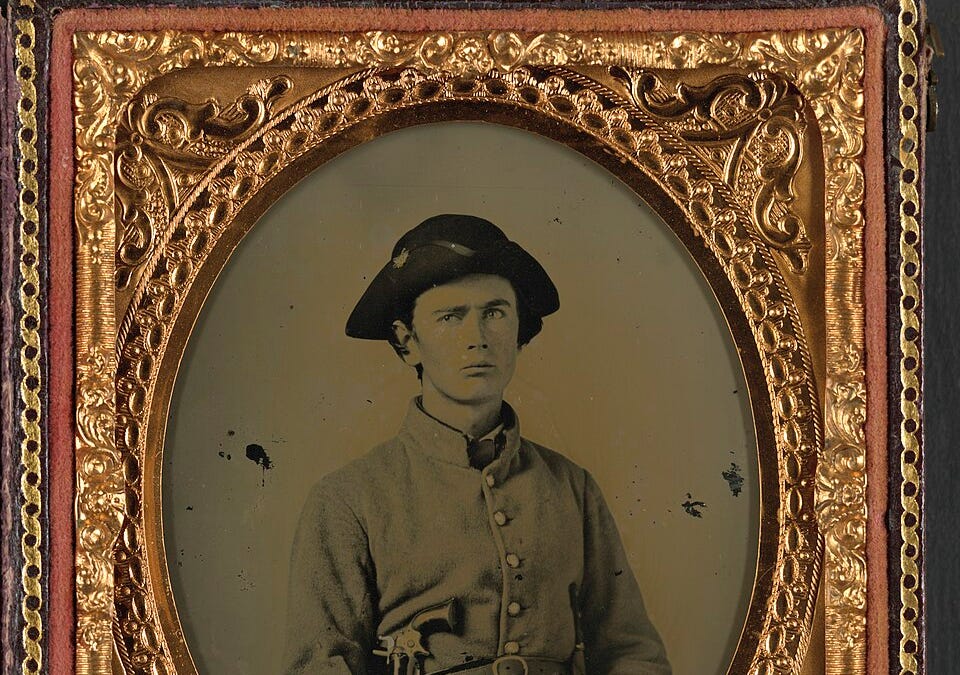
In the aftermath of the American Civil War, personal accounts from soldiers offered raw glimpses into the brutal realities of conflict, far removed from romanticized histories. George Cary Eggleston’s Southern Soldier Stories captures the unvarnished experiences of Confederate troops, emphasizing not just battles but the everyday struggles against scarcity and deprivation. This excerpt from his collection, titled “Random Facts,” vividly illustrates the ingenuity and endurance of Southern soldiers amid profound shortages—of clothing, medicine, ammunition, and even food—highlighting how necessity forged both practical innovations and spiritual resilience. It serves as a poignant reminder of the human cost of war, where survival often depended on makeshift solutions and unyielding determination.
https://humblymybrain.substack.com/p/confederate-soldiers-hardships-scarcity