

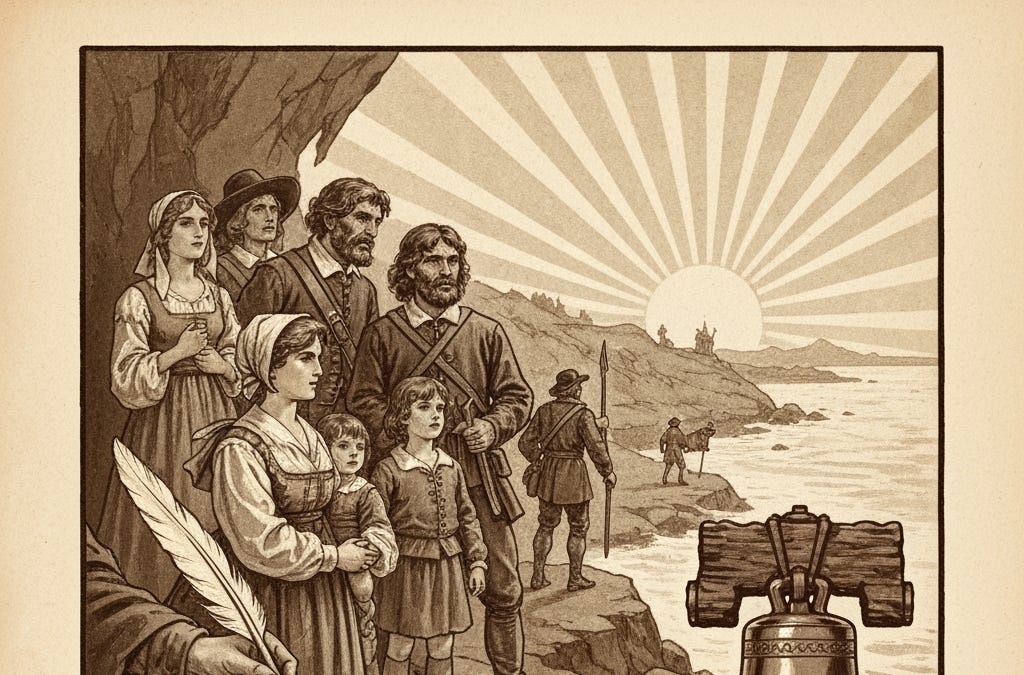
In the early 20th century, as America grappled with waves of immigration and the echoes of its founding principles, educators sought to instill a sense of national identity in young minds. Frances Nimmo Greene’s “American Ideals,” a school reader from 1920, captures this effort through simple, heartfelt prose aimed at children. Drawing on historical struggles against oppression, it explains core values like fair play, honesty, religious freedom, and civil liberty as foundational to the American spirit. This excerpt not only teaches these ideals but also evokes the heroism of early settlers, reminding us how these concepts evolved from hardship into the bedrock of a nation. As we revisit it today, it offers timeless insights into what it means to strive for a “something better” in society.
https://humblymybrain.substack.com/p/unlocking-american-ideals-religious
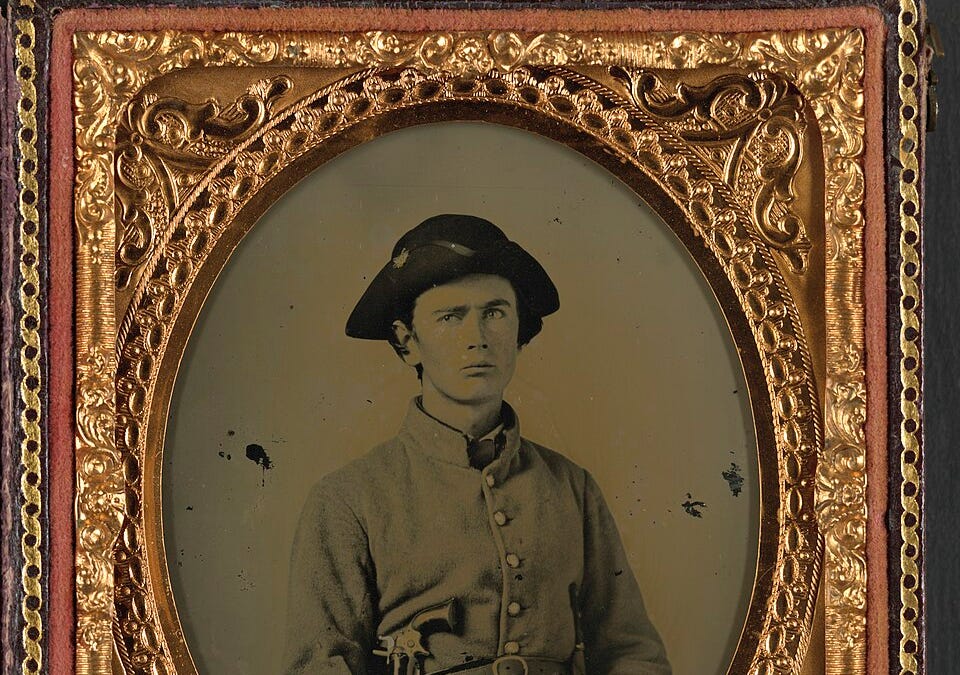
In the aftermath of the American Civil War, personal accounts from soldiers offered raw glimpses into the brutal realities of conflict, far removed from romanticized histories. George Cary Eggleston’s Southern Soldier Stories captures the unvarnished experiences of Confederate troops, emphasizing not just battles but the everyday struggles against scarcity and deprivation. This excerpt from his collection, titled “Random Facts,” vividly illustrates the ingenuity and endurance of Southern soldiers amid profound shortages—of clothing, medicine, ammunition, and even food—highlighting how necessity forged both practical innovations and spiritual resilience. It serves as a poignant reminder of the human cost of war, where survival often depended on makeshift solutions and unyielding determination.
https://humblymybrain.substack.com/p/confederate-soldiers-hardships-scarcity