

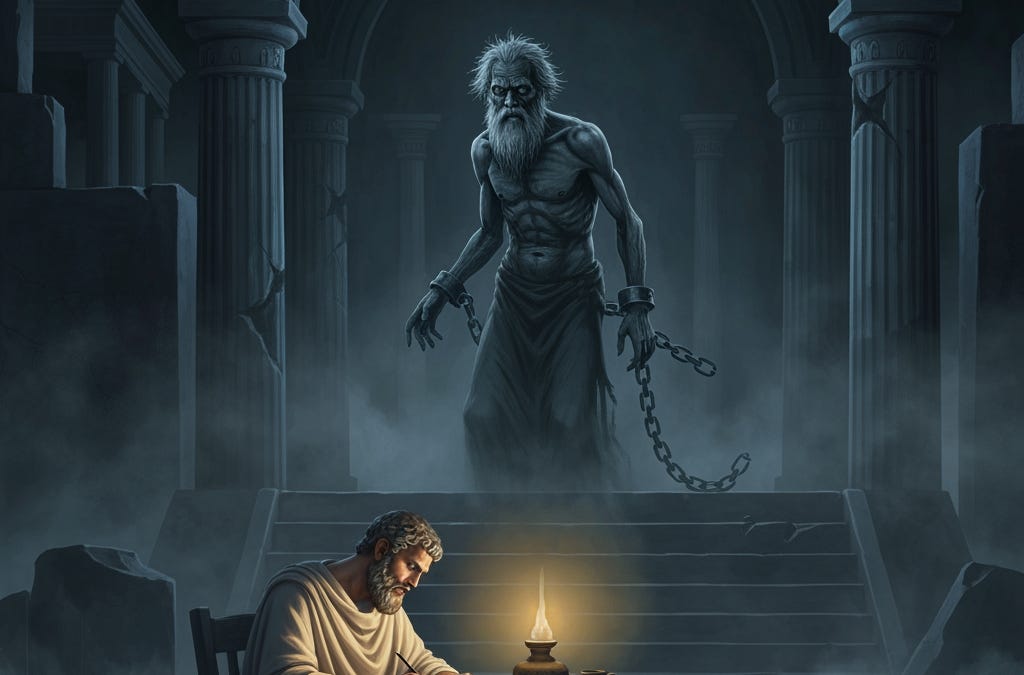
In the shadowy annals of ancient Roman literature, few tales capture the eerie intersection of skepticism and the supernatural as vividly as Pliny the Younger’s account of a haunted house in Athens. Written in the form of a letter to his friend Sura around the early 2nd century AD, this narrative from Book VII of his Epistles blends philosophical inquiry with chilling ghost lore, reflecting the era’s fascination with omens, apparitions, and the boundaries between the living and the dead. Pliny, a pragmatic lawyer and magistrate, recounts not just a spectral encounter but also personal anecdotes that blur the line between dream and reality, inviting readers to ponder the mysteries of the afterlife. This timeless story, preserved through centuries, serves as a precursor to modern horror genres, reminding us that humanity’s fear of the unknown—and our rational attempts to confront it—transcends time.
...
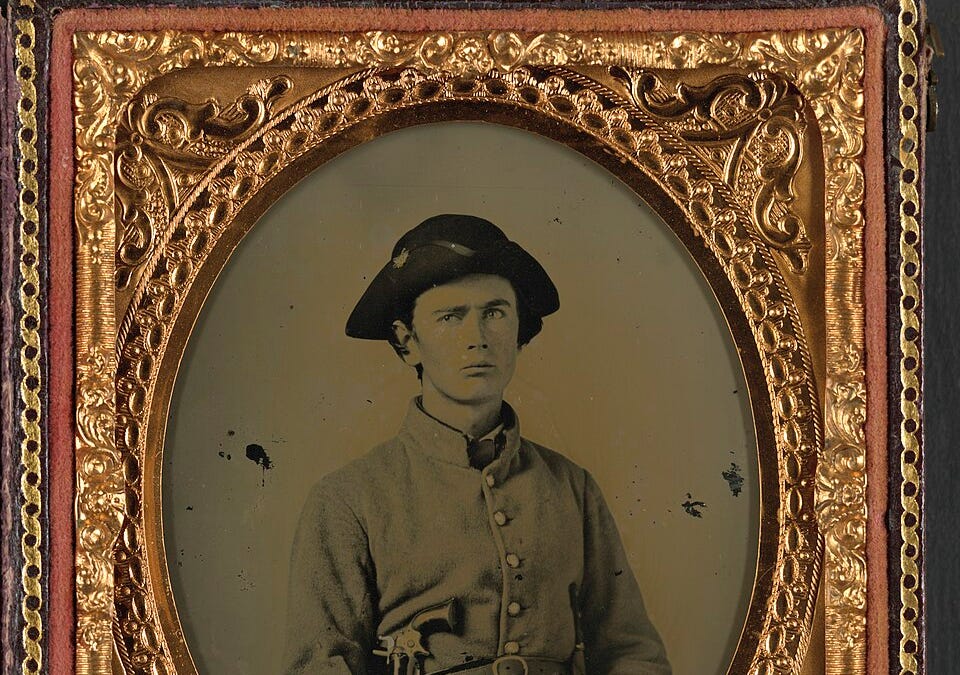
In the aftermath of the American Civil War, personal accounts from soldiers offered raw glimpses into the brutal realities of conflict, far removed from romanticized histories. George Cary Eggleston’s Southern Soldier Stories captures the unvarnished experiences of Confederate troops, emphasizing not just battles but the everyday struggles against scarcity and deprivation. This excerpt from his collection, titled “Random Facts,” vividly illustrates the ingenuity and endurance of Southern soldiers amid profound shortages—of clothing, medicine, ammunition, and even food—highlighting how necessity forged both practical innovations and spiritual resilience. It serves as a poignant reminder of the human cost of war, where survival often depended on makeshift solutions and unyielding determination.
https://humblymybrain.substack.com/p/confederate-soldiers-hardships-scarcity