

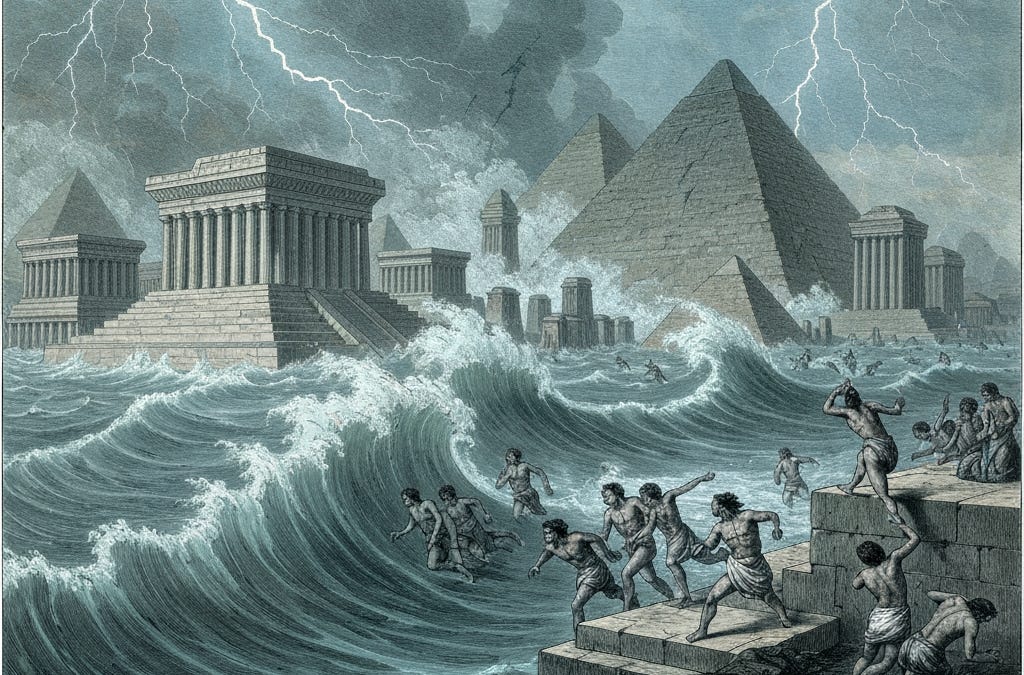
In the late 19th century, Ignatius Donnelly’s groundbreaking work Atlantis: The Antediluvian World challenged conventional views of human history by proposing that the legendary lost continent of Atlantis was not mere myth but a historical reality, whose cataclysmic destruction echoed through global flood legends. Drawing on geological evidence, ancient texts, and cross-cultural traditions, Donnelly argues that the biblical Deluge and similar stories from diverse civilizations—Hebrew, Aryan, Greek, and beyond—preserve the memory of this apocalyptic event. This excerpt from Part II explores how the sinking of Atlantis, a vast island-continent in the Atlantic Ocean, left an indelible mark on humanity’s collective psyche, influencing religious narratives and ethnological understandings. By examining scholarly opinions and historical correlations, Donnelly builds a compelling case for Atlantis as the cradle of ancient civilization, whose demise reshaped the world.
...
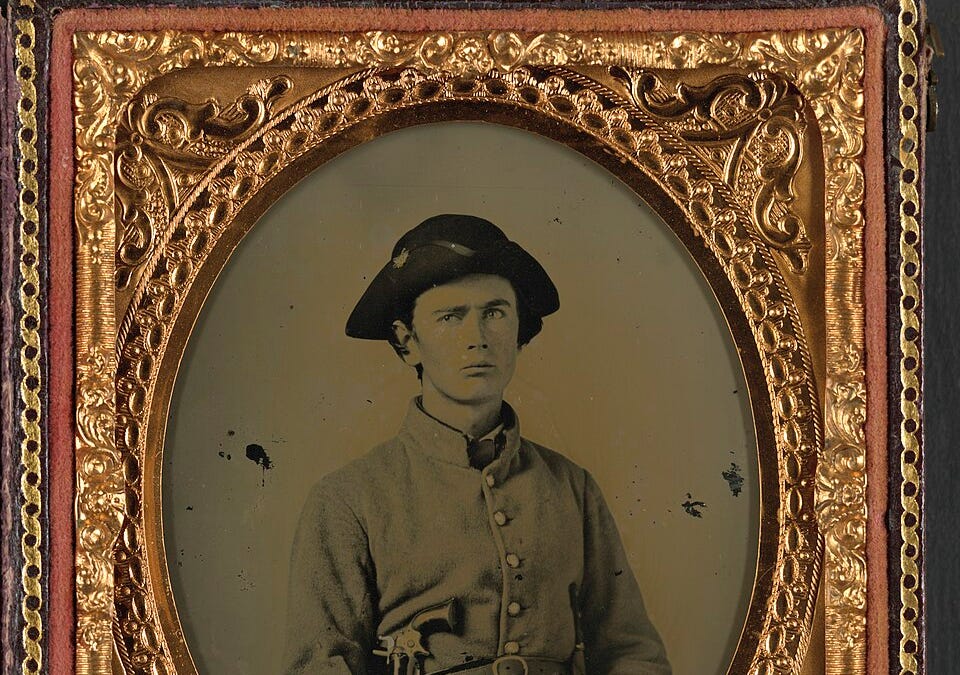
In the aftermath of the American Civil War, personal accounts from soldiers offered raw glimpses into the brutal realities of conflict, far removed from romanticized histories. George Cary Eggleston’s Southern Soldier Stories captures the unvarnished experiences of Confederate troops, emphasizing not just battles but the everyday struggles against scarcity and deprivation. This excerpt from his collection, titled “Random Facts,” vividly illustrates the ingenuity and endurance of Southern soldiers amid profound shortages—of clothing, medicine, ammunition, and even food—highlighting how necessity forged both practical innovations and spiritual resilience. It serves as a poignant reminder of the human cost of war, where survival often depended on makeshift solutions and unyielding determination.
https://humblymybrain.substack.com/p/confederate-soldiers-hardships-scarcity