

The author of Thrilling Narratives of Mutiny, Murder and Piracy remains anonymous, a common practice for many 19th-century compilations of sensational adventure stories that drew from historical accounts, folklore, and popular tales to captivate readers with themes of peril and heroism on the high seas. Published around the mid-1800s by Hurst & Co., a New York firm known for producing affordable, mass-market books often referred to as “dime novels” or sensational literature, this volume is a weird and thrilling anthology of maritime disasters, escapes, and villainy spanning centuries. A fun detail about the book is its role in preserving embellished versions of real historical events; for instance, the chapter “Early American Heroism” retells the legendary early exploit of Sir Charles Wager (1666–1743), a British naval officer who indeed began his career as a cabin boy on a Quaker merchant ship under Captain John Hull and famously turned the tables on a French privateer during the late 17th-century wars between England and France. This story, while dramatized, highlights Wager’s rapid rise through the ranks to become Admiral of the White and First Lord of the Admiralty, symbolizing the era’s opportunities for bold individuals in naval service. The book’s enduring appeal lies in its blend of fact and fiction, making it a precursor to modern true-crime and adventure genres.
https://humblymybrain.substack.com/p/the-cabin-boy-who-captured-a-french

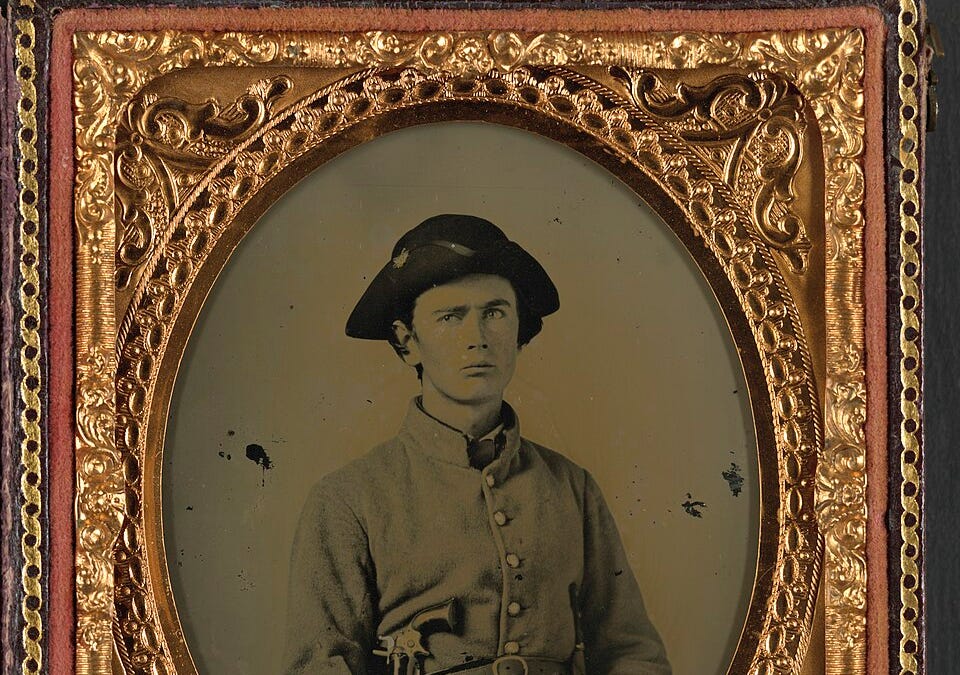
In the aftermath of the American Civil War, personal accounts from soldiers offered raw glimpses into the brutal realities of conflict, far removed from romanticized histories. George Cary Eggleston’s Southern Soldier Stories captures the unvarnished experiences of Confederate troops, emphasizing not just battles but the everyday struggles against scarcity and deprivation. This excerpt from his collection, titled “Random Facts,” vividly illustrates the ingenuity and endurance of Southern soldiers amid profound shortages—of clothing, medicine, ammunition, and even food—highlighting how necessity forged both practical innovations and spiritual resilience. It serves as a poignant reminder of the human cost of war, where survival often depended on makeshift solutions and unyielding determination.
https://humblymybrain.substack.com/p/confederate-soldiers-hardships-scarcity