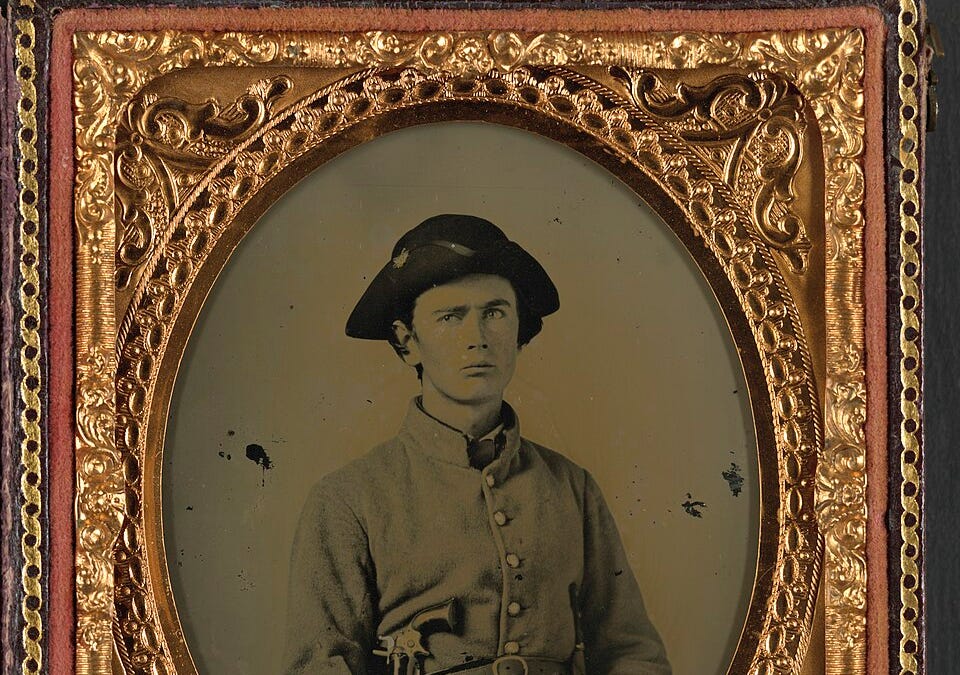


In the late 19th century, as medical science advanced and anatomical study became essential for physicians and institutions, a peculiar and somewhat gruesome trade emerged to supply the demand for human skeletons. This 1885 article, originally from the New York Mail and Express and reprinted in the Wheeling Sunday Register, offers a fascinating glimpse into this shadowy commerce. It details how skeletons were imported primarily from France, sourced from morgues and unclaimed bodies, and sold in American cities like New York for educational and display purposes. The piece not only highlights the practicalities and economics of the trade but also touches on cultural attitudes toward death and the body, blending matter-of-fact business talk with a hint of wry amusement at public reactions.
https://humblymybrain.substack.com/p/the-grisly-business-uncovering-the
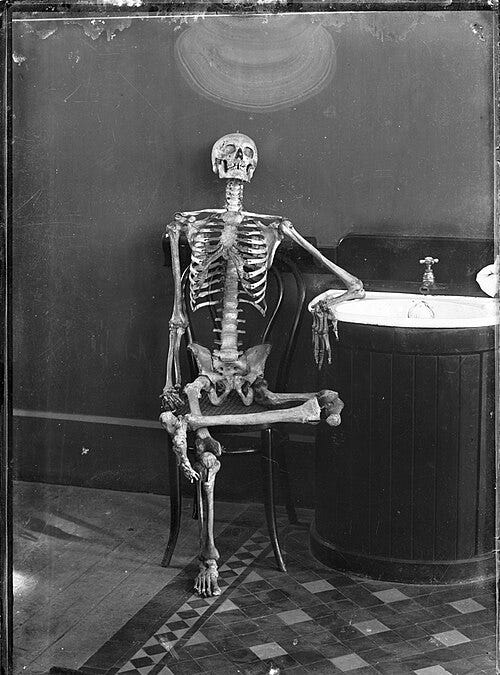
In the aftermath of the American Civil War, personal accounts from soldiers offered raw glimpses into the brutal realities of conflict, far removed from romanticized histories. George Cary Eggleston’s Southern Soldier Stories captures the unvarnished experiences of Confederate troops, emphasizing not just battles but the everyday struggles against scarcity and deprivation. This excerpt from his collection, titled “Random Facts,” vividly illustrates the ingenuity and endurance of Southern soldiers amid profound shortages—of clothing, medicine, ammunition, and even food—highlighting how necessity forged both practical innovations and spiritual resilience. It serves as a poignant reminder of the human cost of war, where survival often depended on makeshift solutions and unyielding determination.
https://humblymybrain.substack.com/p/confederate-soldiers-hardships-scarcity