

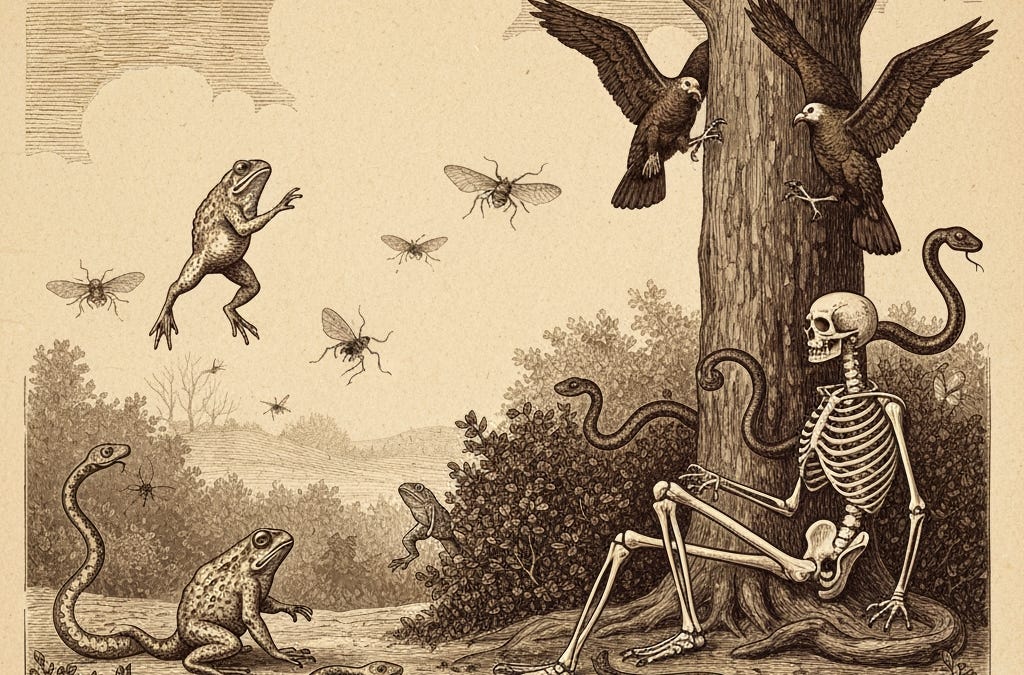
This charming and wry letter to the editor, published in a 19th-century Rhode Island newspaper, captures the era’s blend of humor, sarcasm, and folk wisdom in addressing melancholy and the romantic allure of wilderness solitude. Written under the pseudonym “JUDY,” it recounts a sibling’s tongue-in-cheek attempt to snap a brother out of his depressive “horrors” by painting an exaggeratedly grim picture of isolated life in the wilds—complete with venomous creatures, rotten logs, and a macabre anecdote about a lost elderly woman. The piece reflects early American journalism’s penchant for personal anecdotes and light-hearted moralizing, offering a glimpse into how people coped with mental lows before modern psychology.
https://humblymybrain.substack.com/p/curing-19th-century-blues-a-hilarious
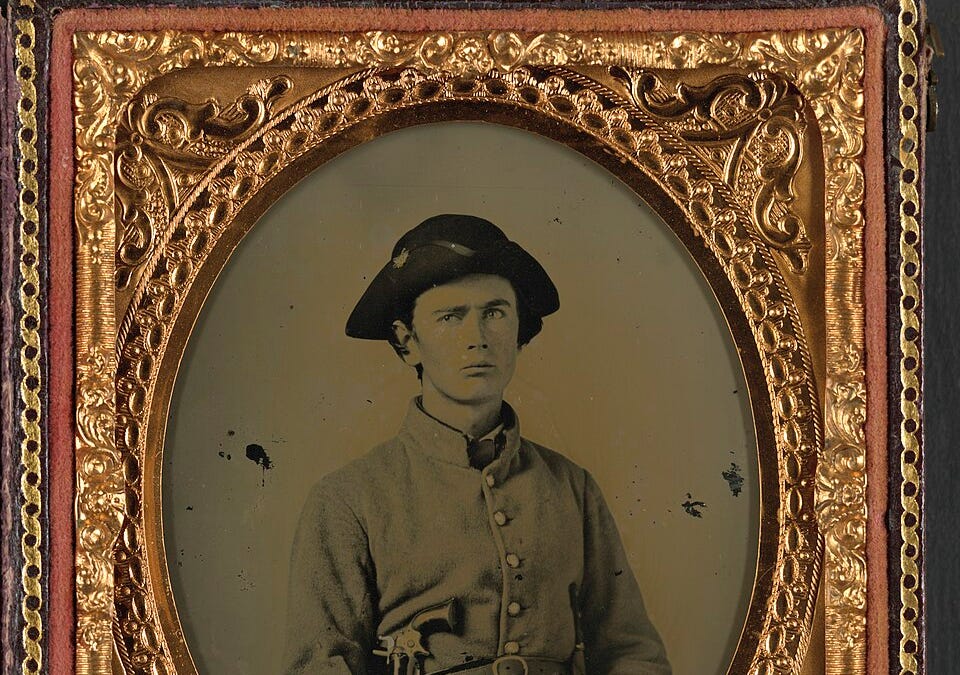
In the aftermath of the American Civil War, personal accounts from soldiers offered raw glimpses into the brutal realities of conflict, far removed from romanticized histories. George Cary Eggleston’s Southern Soldier Stories captures the unvarnished experiences of Confederate troops, emphasizing not just battles but the everyday struggles against scarcity and deprivation. This excerpt from his collection, titled “Random Facts,” vividly illustrates the ingenuity and endurance of Southern soldiers amid profound shortages—of clothing, medicine, ammunition, and even food—highlighting how necessity forged both practical innovations and spiritual resilience. It serves as a poignant reminder of the human cost of war, where survival often depended on makeshift solutions and unyielding determination.
https://humblymybrain.substack.com/p/confederate-soldiers-hardships-scarcity