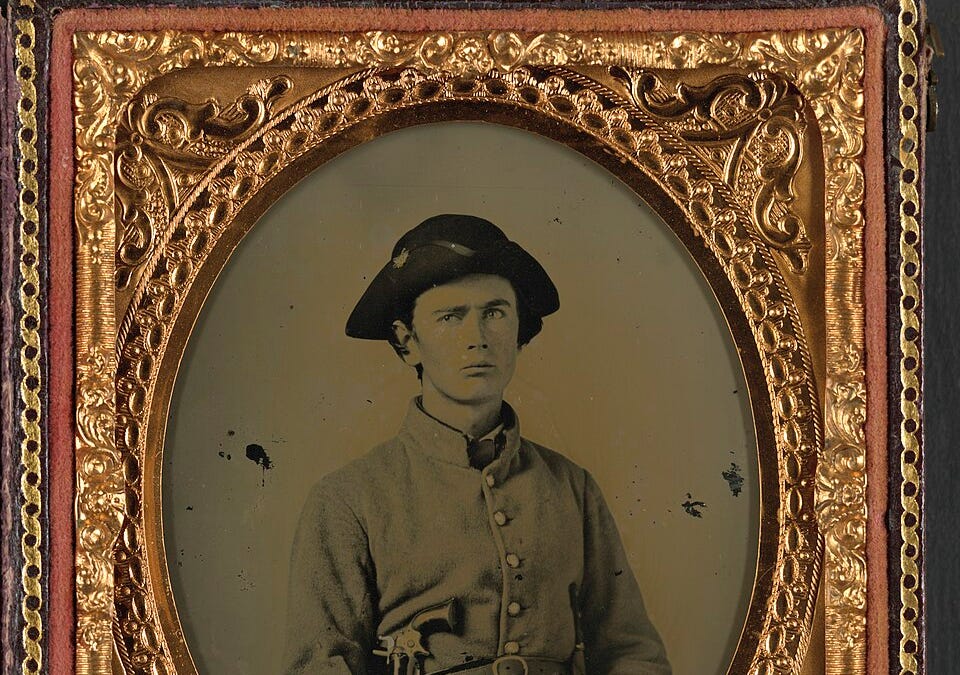


In an era when rapid industrialization was transforming American society, many young men grappled with notions of dignity, class, and career paths. This 1881 article from a South Carolina newspaper captures a timeless debate: the value of learning a skilled trade versus pursuing white-collar clerical work. Originally published in The Abbeville Press and Banner and reprinted from Waverly Magazine, it uses a real-life anecdote to challenge the “false pride” that deterred boys from manual labor. Over a century later, its message resonates amid discussions on vocational education, economic mobility, and the gig economy, reminding us that practical skills often provide a more secure foundation than prestige alone.
https://humblymybrain.substack.com/p/why-learning-a-trade-trumps-clerical

In the aftermath of the American Civil War, personal accounts from soldiers offered raw glimpses into the brutal realities of conflict, far removed from romanticized histories. George Cary Eggleston’s Southern Soldier Stories captures the unvarnished experiences of Confederate troops, emphasizing not just battles but the everyday struggles against scarcity and deprivation. This excerpt from his collection, titled “Random Facts,” vividly illustrates the ingenuity and endurance of Southern soldiers amid profound shortages—of clothing, medicine, ammunition, and even food—highlighting how necessity forged both practical innovations and spiritual resilience. It serves as a poignant reminder of the human cost of war, where survival often depended on makeshift solutions and unyielding determination.
https://humblymybrain.substack.com/p/confederate-soldiers-hardships-scarcity