

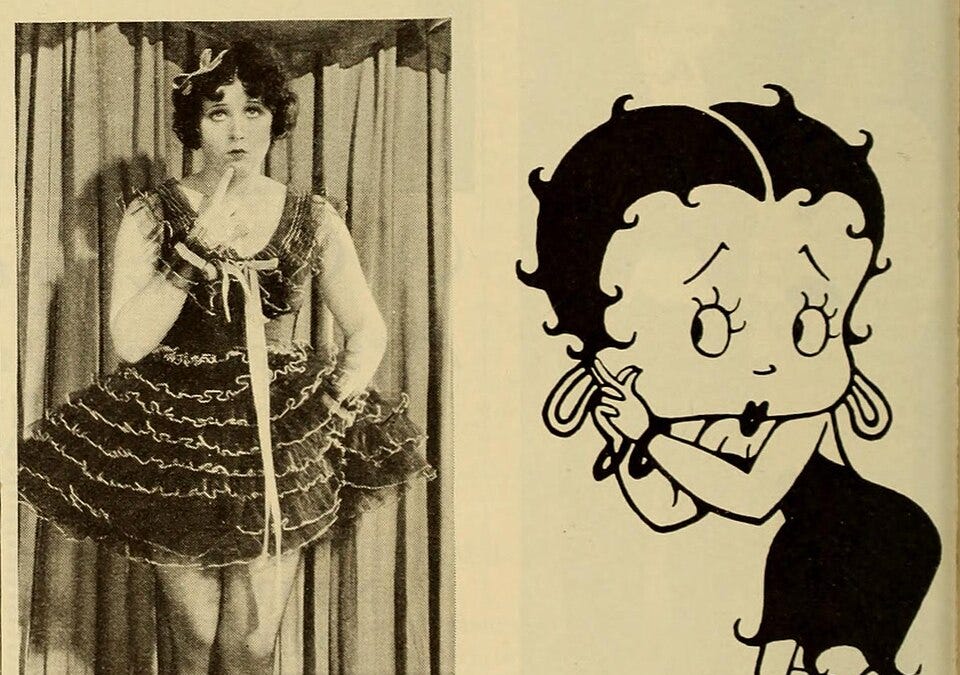
In the vibrant era of early 20th-century entertainment, where jazz-age flappers and animated whimsy captured the public’s imagination, one performer’s signature style sparked a cultural phenomenon—and a legal battle. Helen Kane, the original “boop-oop-a-doop” girl, rose to fame with her playful, scat-like vocalizations that blended innocence with flirtation. But when cartoonist Max Fleischer introduced Betty Boop in 1930, Kane saw her unique persona mirrored in the inked character, leading to accusations of intellectual theft. This 1934 newspaper article from The Times-News captures the essence of her lawsuit against Paramount Publix and Fleischer, highlighting the clash between live performers and the burgeoning world of animation. It serves as a fascinating snapshot of how celebrity, creativity, and commerce intersected in the pre-Code Hollywood landscape, reminding us of the often-overlooked origins of iconic pop culture figures.
https://humblymybrain.substack.com/p/helen-kane-vs-betty-boop-the-original
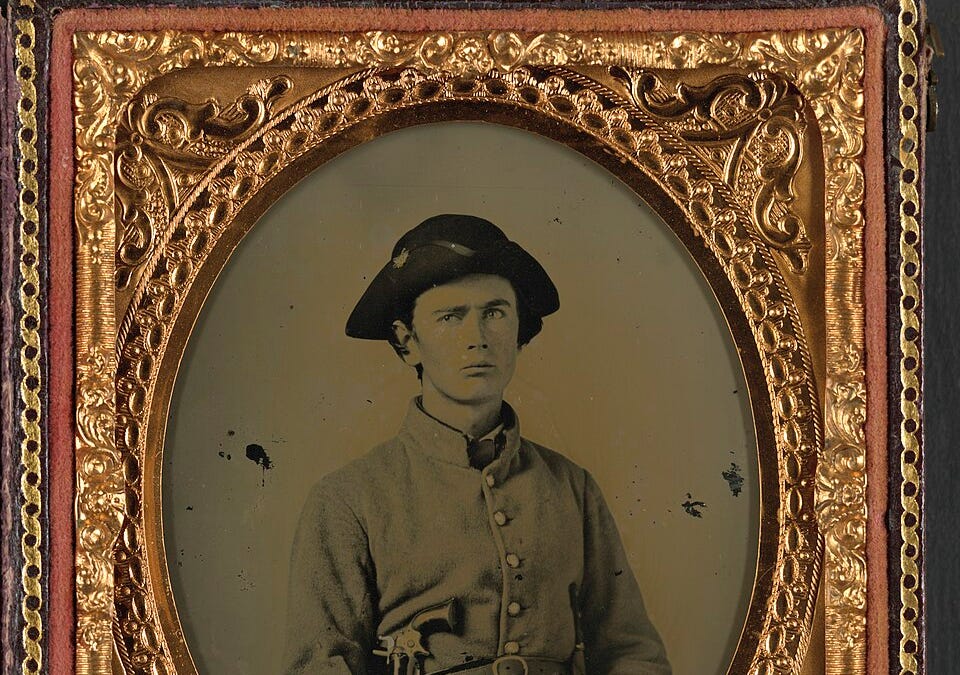
In the aftermath of the American Civil War, personal accounts from soldiers offered raw glimpses into the brutal realities of conflict, far removed from romanticized histories. George Cary Eggleston’s Southern Soldier Stories captures the unvarnished experiences of Confederate troops, emphasizing not just battles but the everyday struggles against scarcity and deprivation. This excerpt from his collection, titled “Random Facts,” vividly illustrates the ingenuity and endurance of Southern soldiers amid profound shortages—of clothing, medicine, ammunition, and even food—highlighting how necessity forged both practical innovations and spiritual resilience. It serves as a poignant reminder of the human cost of war, where survival often depended on makeshift solutions and unyielding determination.
https://humblymybrain.substack.com/p/confederate-soldiers-hardships-scarcity