

When the Charms Candy Company teetered on the brink of bankruptcy after a massive sugar market crash, it was the rebellious flappers—with their bold style and unstoppable craving for lollipops—who unexpectedly saved the day and preserved an iconic candy legacy. Discover how these trailblazing women turned a simple treat into a business lifesaver, paving the way for future favorites like the Blow Pop. If you love hidden history, vintage vibes, and feel-good underdog tales, this episode is pure sugar-coated fun!
Substack article link: https://humblymybrain.substack.com/p/the-flappers-love-for-lollipops-saved

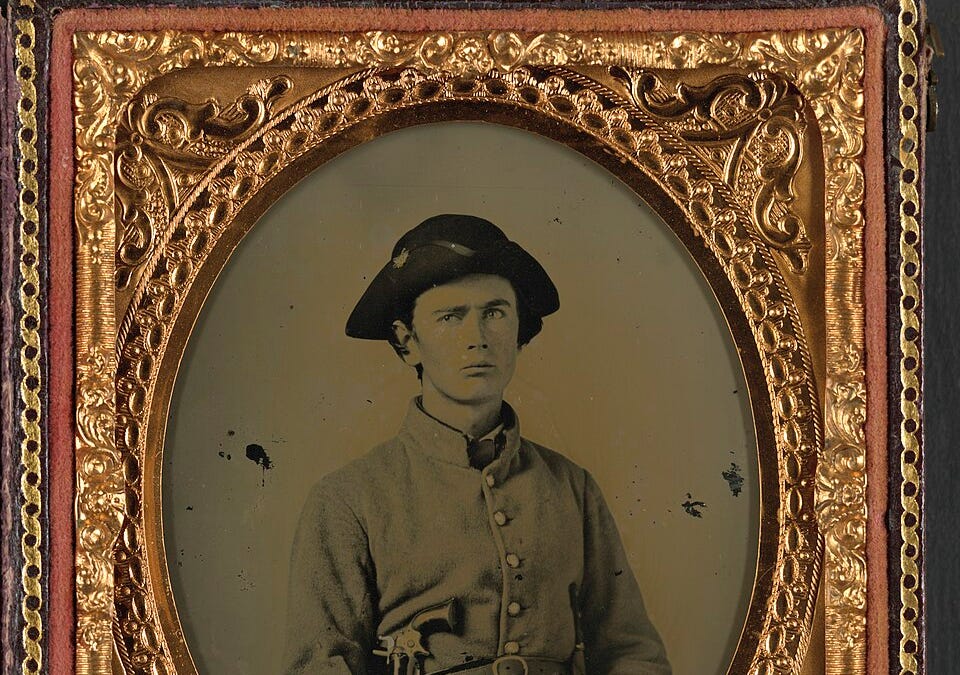
In the aftermath of the American Civil War, personal accounts from soldiers offered raw glimpses into the brutal realities of conflict, far removed from romanticized histories. George Cary Eggleston’s Southern Soldier Stories captures the unvarnished experiences of Confederate troops, emphasizing not just battles but the everyday struggles against scarcity and deprivation. This excerpt from his collection, titled “Random Facts,” vividly illustrates the ingenuity and endurance of Southern soldiers amid profound shortages—of clothing, medicine, ammunition, and even food—highlighting how necessity forged both practical innovations and spiritual resilience. It serves as a poignant reminder of the human cost of war, where survival often depended on makeshift solutions and unyielding determination.
https://humblymybrain.substack.com/p/confederate-soldiers-hardships-scarcity