

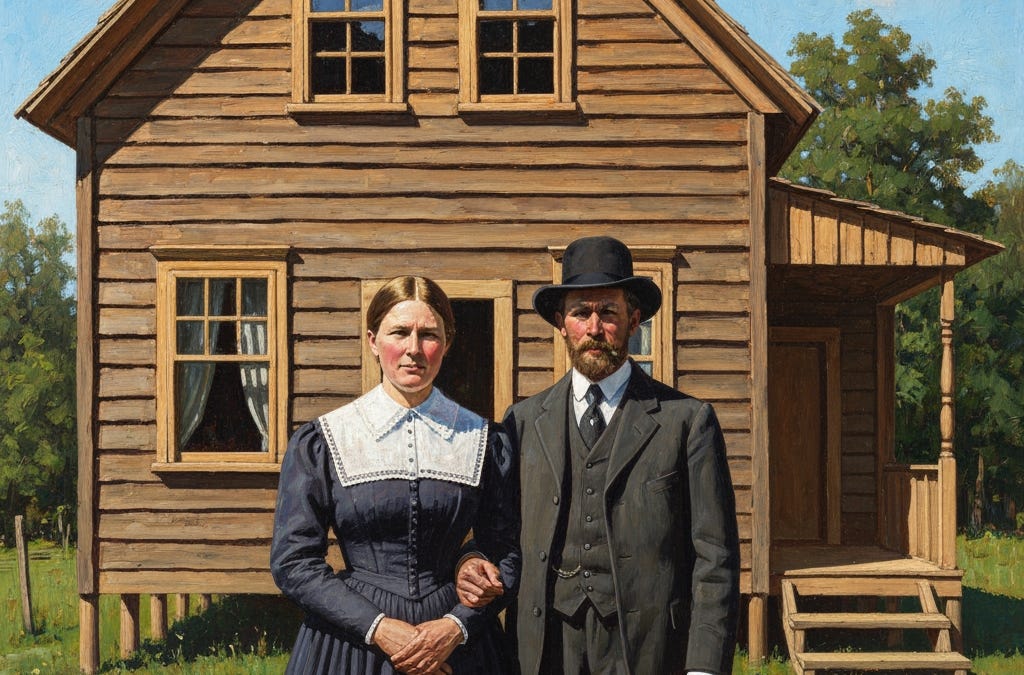
In the mid-19th century, American newspapers often featured colorful anecdotes from police courts, blending humor, social commentary, and cautionary tales about everyday life. This piece from the Sunday Dispatch, published in New York in 1852, exemplifies the era’s satirical take on romance and marriage. Drawing from a supposed real-life account, it warns against hasty unions driven by idealized notions of love, highlighting the perils of mismatched expectations in a time when economic stability often trumped affection.
https://humblymybrain.substack.com/p/marry-for-love-a-hilarious-1852-cautionary
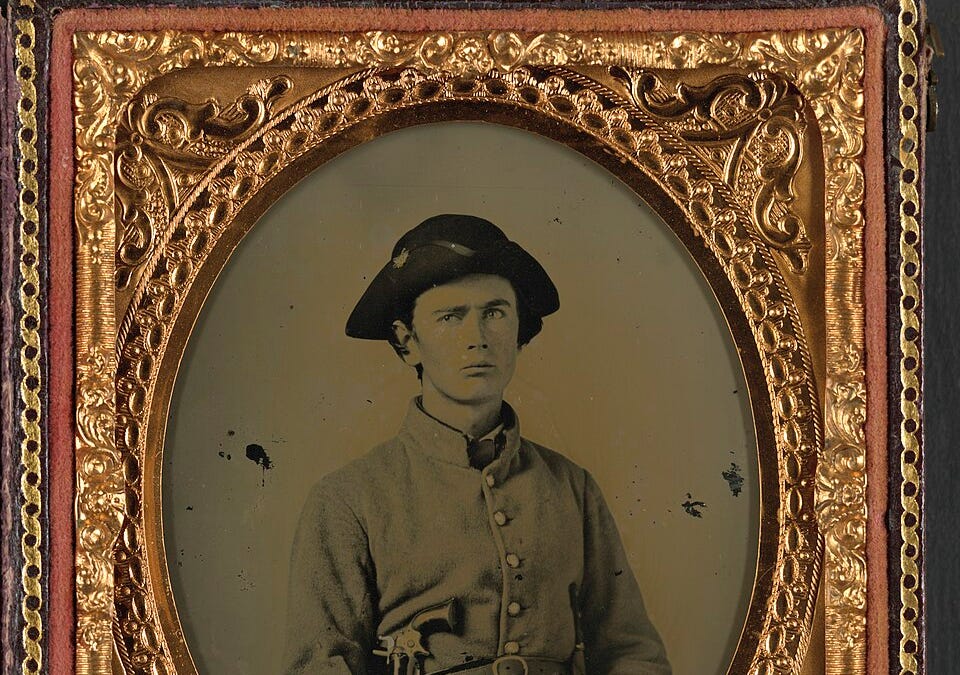
In the aftermath of the American Civil War, personal accounts from soldiers offered raw glimpses into the brutal realities of conflict, far removed from romanticized histories. George Cary Eggleston’s Southern Soldier Stories captures the unvarnished experiences of Confederate troops, emphasizing not just battles but the everyday struggles against scarcity and deprivation. This excerpt from his collection, titled “Random Facts,” vividly illustrates the ingenuity and endurance of Southern soldiers amid profound shortages—of clothing, medicine, ammunition, and even food—highlighting how necessity forged both practical innovations and spiritual resilience. It serves as a poignant reminder of the human cost of war, where survival often depended on makeshift solutions and unyielding determination.
https://humblymybrain.substack.com/p/confederate-soldiers-hardships-scarcity