

In the late 19th century, newspapers often chronicled tales of the macabre and the mysterious, blending factual reporting with elements of the supernatural that captivated Victorian-era readers. One such account, originally from the Boston Herald and reprinted in The Salt Lake Herald, details the eerie near-death experience of a young woman named Hattie C. Craig in East Boston. Suffering from consumption (what we now know as tuberculosis), Hattie’s story unfolds with moments of apparent death, revival, and visions of heaven, raising questions about the boundaries between life, death, and the afterlife.
https://humblymybrain.substack.com/p/the-eerie-1882-near-death-revival

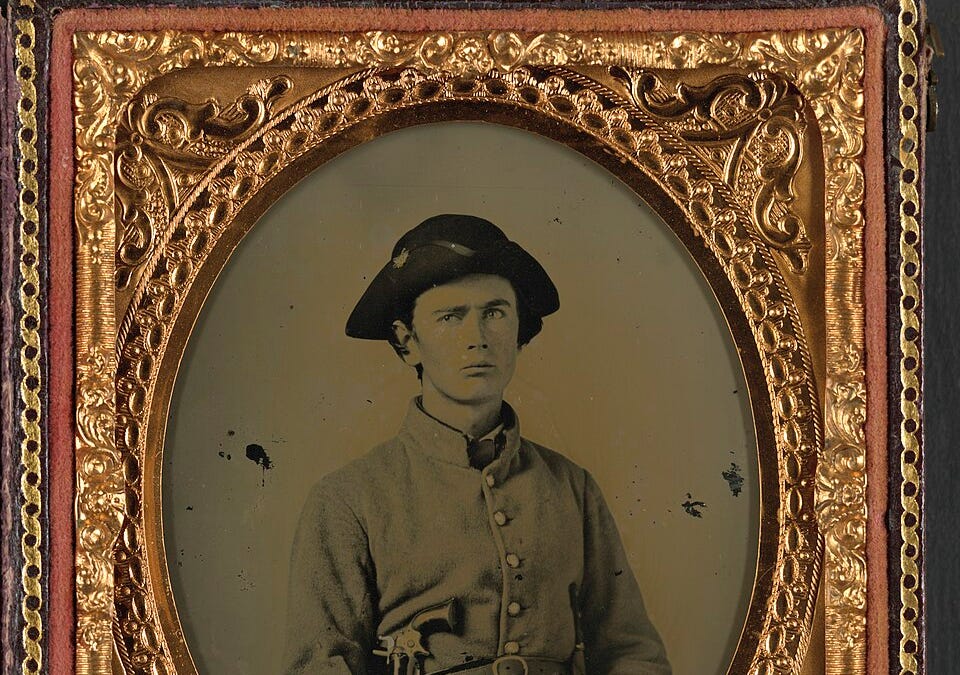
In the aftermath of the American Civil War, personal accounts from soldiers offered raw glimpses into the brutal realities of conflict, far removed from romanticized histories. George Cary Eggleston’s Southern Soldier Stories captures the unvarnished experiences of Confederate troops, emphasizing not just battles but the everyday struggles against scarcity and deprivation. This excerpt from his collection, titled “Random Facts,” vividly illustrates the ingenuity and endurance of Southern soldiers amid profound shortages—of clothing, medicine, ammunition, and even food—highlighting how necessity forged both practical innovations and spiritual resilience. It serves as a poignant reminder of the human cost of war, where survival often depended on makeshift solutions and unyielding determination.
https://humblymybrain.substack.com/p/confederate-soldiers-hardships-scarcity