

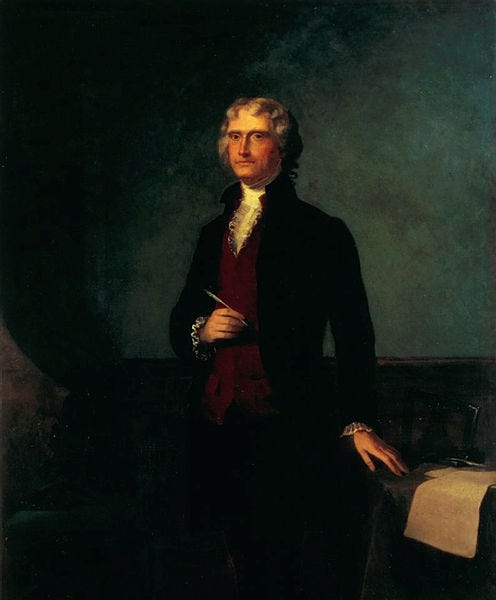
There was a “revolution” in 1800 when Thomas Jefferson was elected to the presidency of the United States. His ascension to the highest office in the executive branch did not come by the literal “blood of patriots,” but it was the result of a bloodless rebellion against the Federalist Party and its “Court party” policies. Through the “mighty wave of public opinion,” President Jefferson was appointed leader of “the revolution of 1800,” whom the people hoped would restore the “principles of our government as that of 1776.” Jefferson did restore many republican principles during his presidency; however, he also committed some acts that could be considered unconstitutional. In the end, he can also be criticized for not doing more to promote “American synthesis,” or what can be defined as a unique blend of early liberalism, “the rights of Englishmen,” and republican theory.
https://humblymybrain.substack.com/p/the-bloodless-revolution-of-1800
...
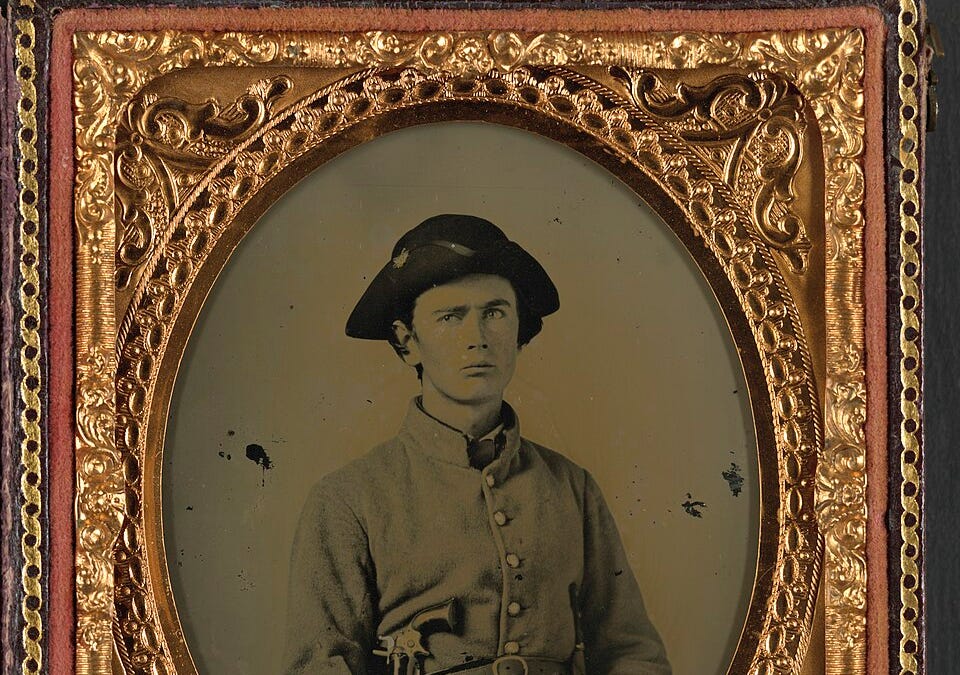
In the aftermath of the American Civil War, personal accounts from soldiers offered raw glimpses into the brutal realities of conflict, far removed from romanticized histories. George Cary Eggleston’s Southern Soldier Stories captures the unvarnished experiences of Confederate troops, emphasizing not just battles but the everyday struggles against scarcity and deprivation. This excerpt from his collection, titled “Random Facts,” vividly illustrates the ingenuity and endurance of Southern soldiers amid profound shortages—of clothing, medicine, ammunition, and even food—highlighting how necessity forged both practical innovations and spiritual resilience. It serves as a poignant reminder of the human cost of war, where survival often depended on makeshift solutions and unyielding determination.
https://humblymybrain.substack.com/p/confederate-soldiers-hardships-scarcity