

Lawton Bryan Evans (1862–1934) was a prolific American author known for his engaging works that blended history and literature, often tailored for young audiences to foster a sense of national pride. His 1920 book, America First: One Hundred Stories from Our Own History, remains a classic collection of patriotic narratives drawn from key moments in the nation’s past. As seen in a previous excerpt from the same volume—detailing the infamous pirate Blackbeard (real name Edward Teach), whose terror on the high seas off the Virginia and North Carolina coasts ended in a dramatic showdown with Lieutenant Maynard—this book vividly captures the perils and triumphs of early American maritime adventures. That tale of piracy’s downfall highlighted themes of justice and resilience against lawless threats.
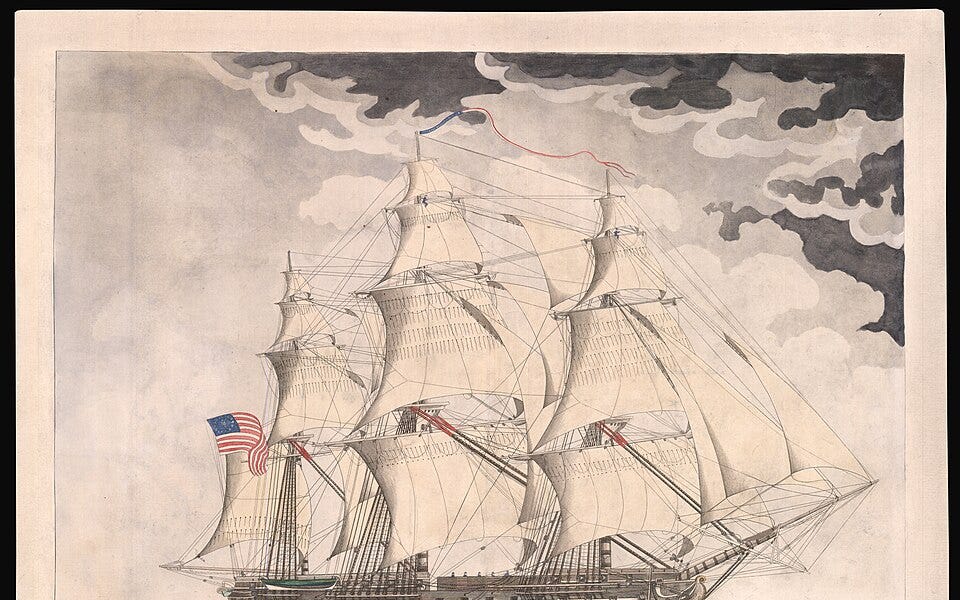
Building on that seafaring drama, the following chapter shifts to a heroic episode from the War of 1812, focusing on the USS Constitution, affectionately nicknamed “Old Ironsides.” ...
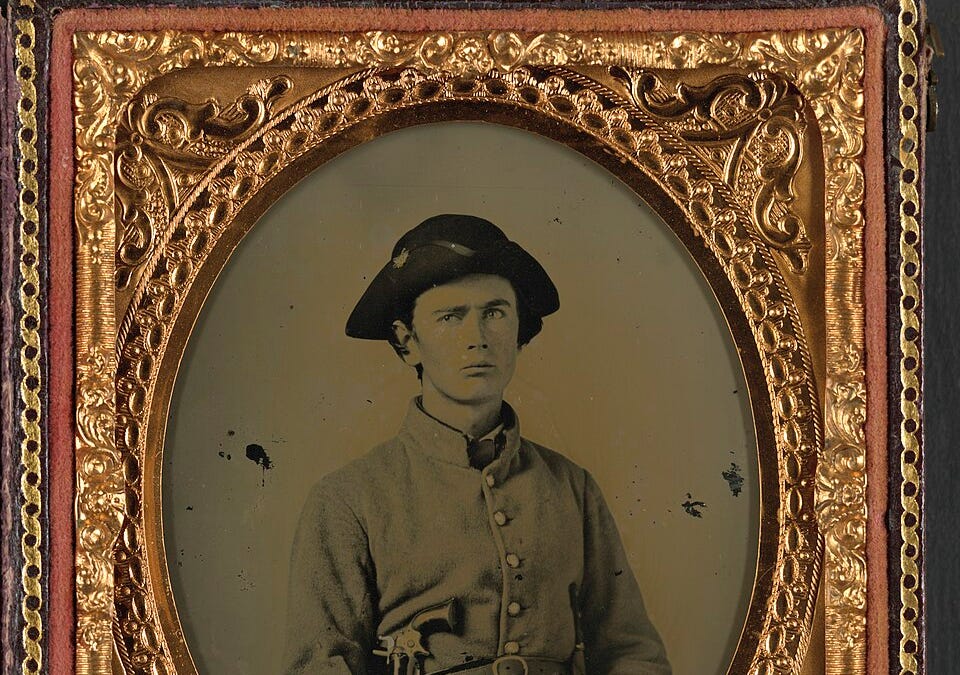
In the aftermath of the American Civil War, personal accounts from soldiers offered raw glimpses into the brutal realities of conflict, far removed from romanticized histories. George Cary Eggleston’s Southern Soldier Stories captures the unvarnished experiences of Confederate troops, emphasizing not just battles but the everyday struggles against scarcity and deprivation. This excerpt from his collection, titled “Random Facts,” vividly illustrates the ingenuity and endurance of Southern soldiers amid profound shortages—of clothing, medicine, ammunition, and even food—highlighting how necessity forged both practical innovations and spiritual resilience. It serves as a poignant reminder of the human cost of war, where survival often depended on makeshift solutions and unyielding determination.
https://humblymybrain.substack.com/p/confederate-soldiers-hardships-scarcity