

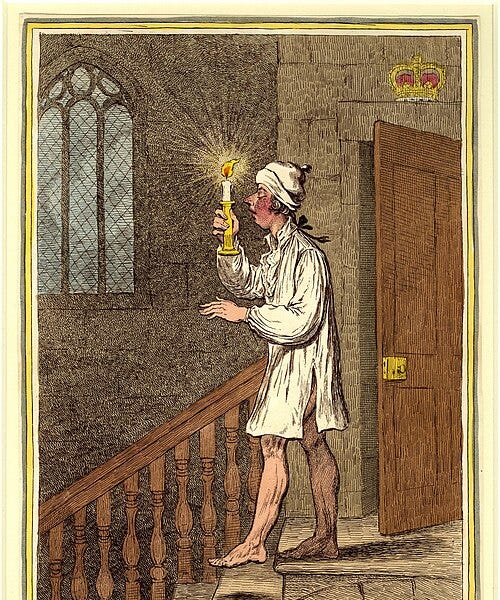
In the early 20th century, newspapers often served as a vital forum for public advice on health and family matters, blending personal anecdotes with emerging psychological insights. This 1929 article from the Evening Star in Washington, D.C., captures a mother’s concern over her daughter’s sleepwalking episode, followed by a thoughtful response exploring the phenomenon’s implications. Drawing from real cases and observations, it reflects the era’s limited but practical understanding of somnambulism as a potential sign of nervous tendencies, offering reassurance while acknowledging gaps in knowledge.
https://humblymybrain.substack.com/p/unveiling-the-mysteries-of-sleepwalking
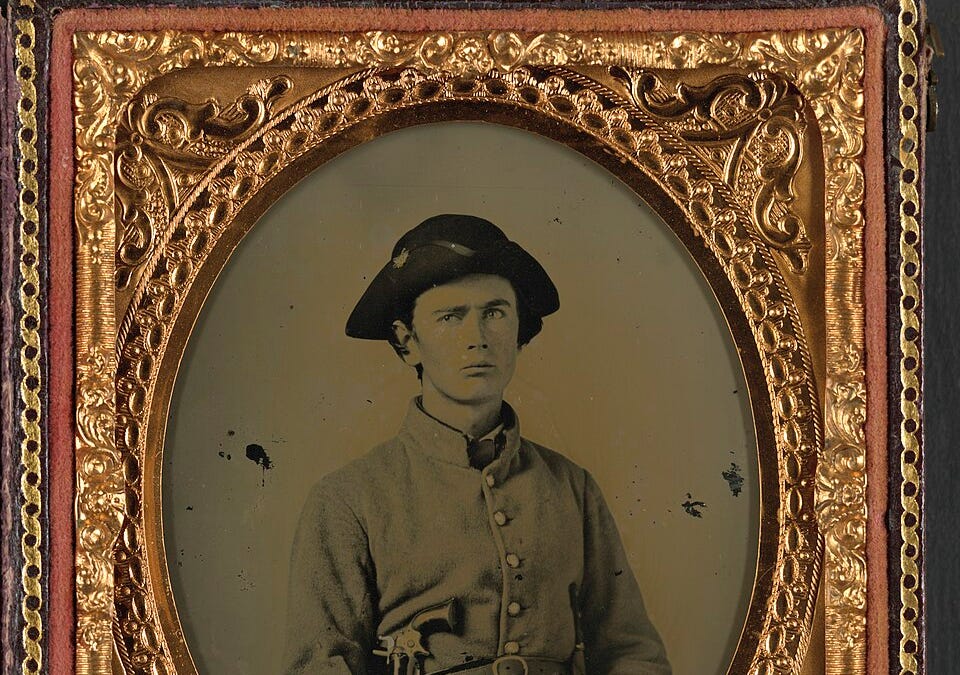
In the aftermath of the American Civil War, personal accounts from soldiers offered raw glimpses into the brutal realities of conflict, far removed from romanticized histories. George Cary Eggleston’s Southern Soldier Stories captures the unvarnished experiences of Confederate troops, emphasizing not just battles but the everyday struggles against scarcity and deprivation. This excerpt from his collection, titled “Random Facts,” vividly illustrates the ingenuity and endurance of Southern soldiers amid profound shortages—of clothing, medicine, ammunition, and even food—highlighting how necessity forged both practical innovations and spiritual resilience. It serves as a poignant reminder of the human cost of war, where survival often depended on makeshift solutions and unyielding determination.
https://humblymybrain.substack.com/p/confederate-soldiers-hardships-scarcity