

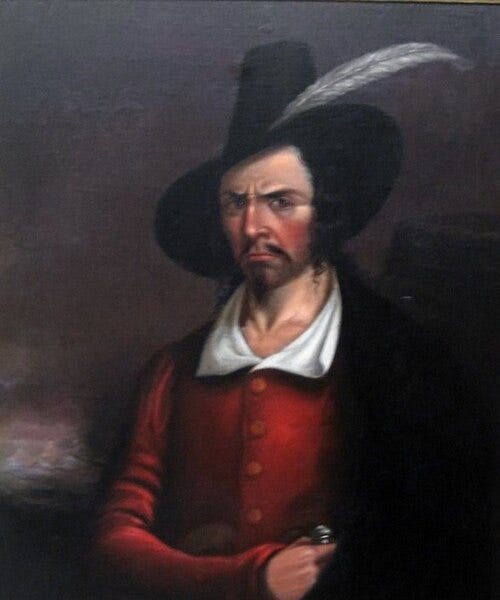
The enigmatic Jean Lafitte continues to fascinate historians and storytellers alike, remembered as a French-born privateer, smuggler, and sometime pirate who navigated the treacherous waters of the Gulf of Mexico with cunning expertise during the early 19th century. Modern scholarship, bolstered by archival records and court documents, confirms his seafaring prowess—he commanded a fleet from Barataria Bay, engaged in illicit trade including enslaved people, and crucially aided General Andrew Jackson’s forces in the Battle of New Orleans by providing supplies, intelligence, and artillerymen, earning a presidential pardon for his efforts. Yet, this 1851 newspaper article from the Arkansas Democratic Banner ironically attempts to dismantle Lafitte’s swashbuckling image, citing dubious sources to recast him as an unskilled blacksmith from Marseilles, utterly inept at sailing. Far from correcting myths, the piece inadvertently (or perhaps deliberately) spreads its own folklore, one that ...

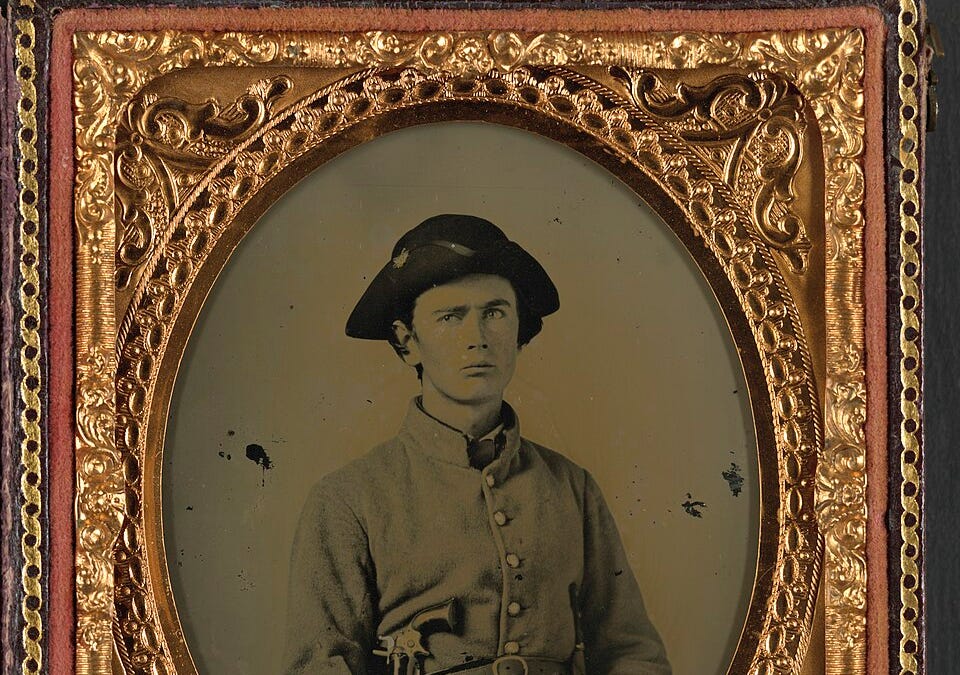
In the aftermath of the American Civil War, personal accounts from soldiers offered raw glimpses into the brutal realities of conflict, far removed from romanticized histories. George Cary Eggleston’s Southern Soldier Stories captures the unvarnished experiences of Confederate troops, emphasizing not just battles but the everyday struggles against scarcity and deprivation. This excerpt from his collection, titled “Random Facts,” vividly illustrates the ingenuity and endurance of Southern soldiers amid profound shortages—of clothing, medicine, ammunition, and even food—highlighting how necessity forged both practical innovations and spiritual resilience. It serves as a poignant reminder of the human cost of war, where survival often depended on makeshift solutions and unyielding determination.
https://humblymybrain.substack.com/p/confederate-soldiers-hardships-scarcity