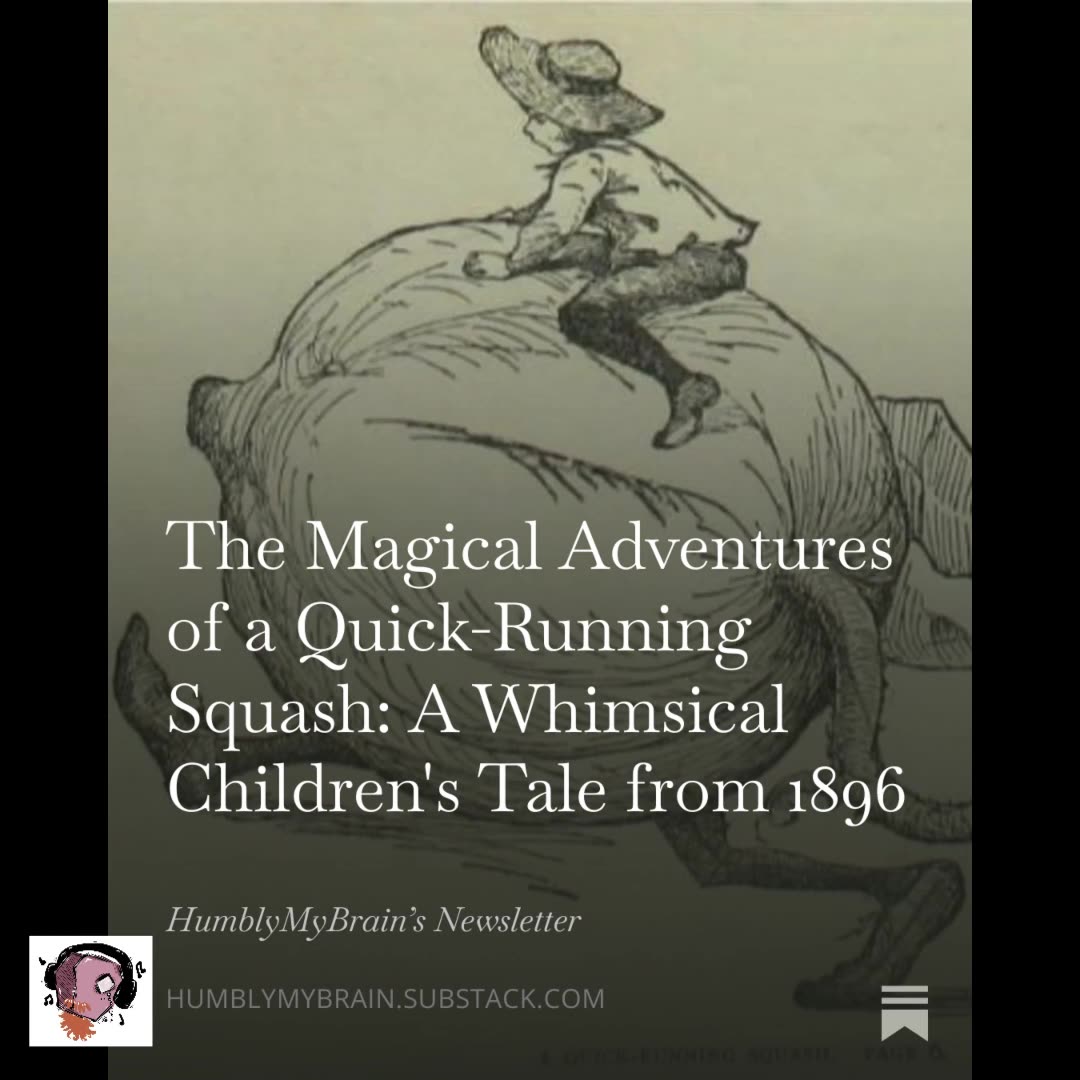


In the enchanting realm of late 19th-century children’s literature, stories often wove everyday childhood experiences with delightful bursts of imagination to spark young readers’ wonder. Alicia Aspinwall’s “A Quick-Running Squash,” first published in the 1896 first edition of her collection Short Stories for Short People, beautifully captures this spirit. Through the lively tale of a boy named Charles, whose ordinary new garden unexpectedly gives rise to an extraordinary, runaway adventure, Aspinwall delivers a humorous and magical narrative that celebrates the joy of discovery and the playful surprises hidden in the everyday.
https://humblymybrain.substack.com/p/the-magical-adventures-of-a-quick
In the last days, the Savior warned that “many false prophets shall rise, and shall deceive many” (Matthew 24:11). Yet He also promised that God would never leave His children without living prophets to guide them. How, then, do we discern the true from the false? The scriptures—from the days of Adam through the Restoration—give us a clear, consistent pattern. True prophets share unmistakable characteristics that have never changed. By studying these traits, pondering the scriptures, and seeking the confirming witness of the Holy Ghost, we can avoid the tragic mistake made by previous generations who rejected the very servants sent to save them.
https://humblymybrain.substack.com/p/how-to-recognize-a-true-prophet-of
Welcome to this comprehensive directory compiling my Substack articles on the fascinating topics of Native American origins, diffusionist theories, ancient giants, the Ten Lost Tribes of Israel, Mound Builders, and pre-Columbian arrivals in the Americas. These pieces draw from 19th-century primary sources, archaeological debates, Native myths, and speculative histories to challenge conventional narratives about who first inhabited and explored the New World. Organized into thematic categories for easy navigation, this master article serves as a one-stop resource to explore interconnected ideas across time and cultures. Each category begins with a brief introduction, followed by summaries of relevant articles with direct links. I’ve grouped them based on overlapping themes like mythological parallels, artifact discoveries, and migration theories, suggesting reading paths where articles build on each other—for instance, starting with flood myths before diving into Lost Tribes ...
Just because someone claims that a person who professes to be a prophet of God—sent specifically to call believers in Jesus Christ to repentance and to come unto God—is a liar and a con-man, that accusation should not be immediately accepted as truth or as the faithful exposure of a false prophet. The scriptures establish a clear, repeated pattern: God’s covenant people, once they have drifted into false traditions, tares sown among the wheat, and wolves in sheep’s clothing within the fold, consistently mistake true prophets for deceivers, mock them, attack them, and often kill them.
This article explores that tragic pattern so that modern Christians may liken the scriptures unto themselves and avoid repeating the very mistakes that led previous generations of God’s people into apostasy and destruction.
https://humblymybrain.substack.com/p/beware-calling-people-false-prophets