

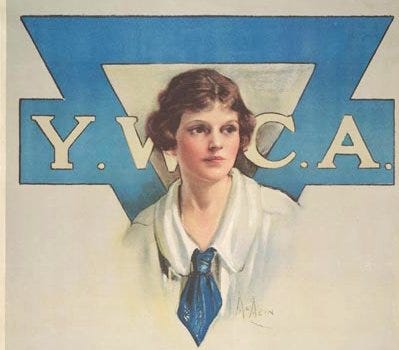
In the Roaring Twenties, as women increasingly entered the workforce and sought independence amid post-World War I social changes, organizations like the Y.W.C.A. played a pivotal role in supporting young women navigating urban life. This 1925 article from the Evening Star newspaper in Washington, D.C., captures a snapshot of that era through a questionnaire circulated among young business and professional women. It explores their motivations for leaving home—ranging from adventure and better opportunities to the allure of the nation’s capital—while highlighting their overwhelmingly positive experiences. The piece reflects broader themes of female empowerment, migration to cities, and the evolving societal norms of the time.
https://humblymybrain.substack.com/p/why-young-women-left-home-in-1925
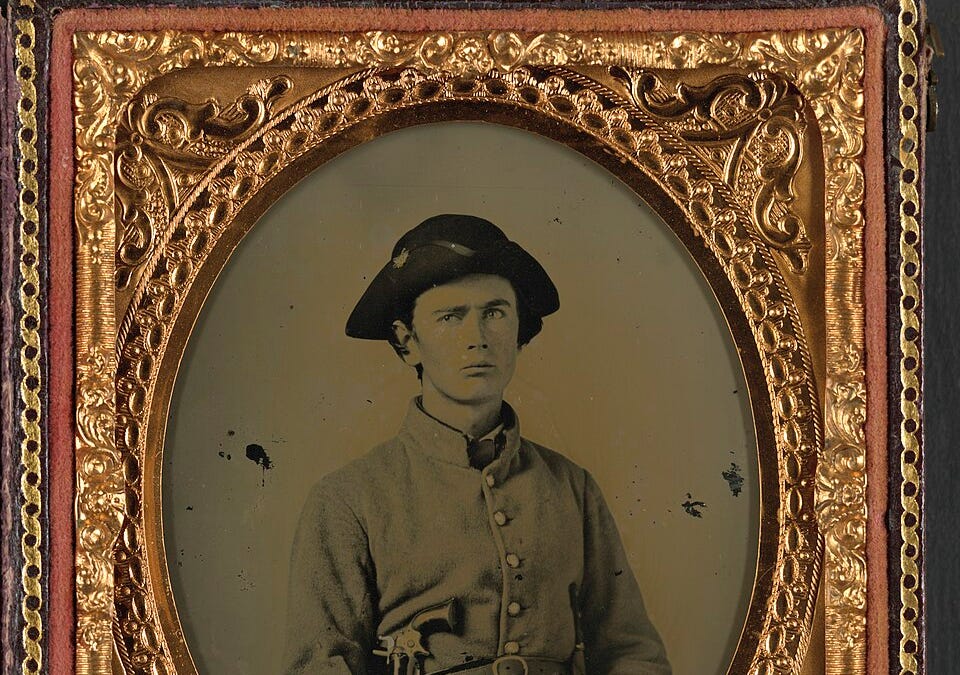
In the aftermath of the American Civil War, personal accounts from soldiers offered raw glimpses into the brutal realities of conflict, far removed from romanticized histories. George Cary Eggleston’s Southern Soldier Stories captures the unvarnished experiences of Confederate troops, emphasizing not just battles but the everyday struggles against scarcity and deprivation. This excerpt from his collection, titled “Random Facts,” vividly illustrates the ingenuity and endurance of Southern soldiers amid profound shortages—of clothing, medicine, ammunition, and even food—highlighting how necessity forged both practical innovations and spiritual resilience. It serves as a poignant reminder of the human cost of war, where survival often depended on makeshift solutions and unyielding determination.
https://humblymybrain.substack.com/p/confederate-soldiers-hardships-scarcity