

In the vibrant and often chaotic debates that unfold on social media platforms, information from diverse sources is shared across countless exchanges between individuals. These discussions frequently involve strangers who bring their unique views, perspectives, perceptions, and opinions—shaped over lifetimes—into the arena. This process embodies the democratic ideal of free speech, where ideas can be freely expressed and challenged. However, a common pattern emerges: participants often reject evidence or arguments simply because they come from someone they label a “rando”—an unknown, ordinary person. Instead of engaging with the substance of the argument or the evidence provided, they dismiss it outright if it lacks endorsement from a certified, licensed, or recognized authority. This behavior raises fundamental questions about how we evaluate information and sources in open discourse.
https://humblymybrain.substack.com/p/stop-dismissing-randos-why-credentials

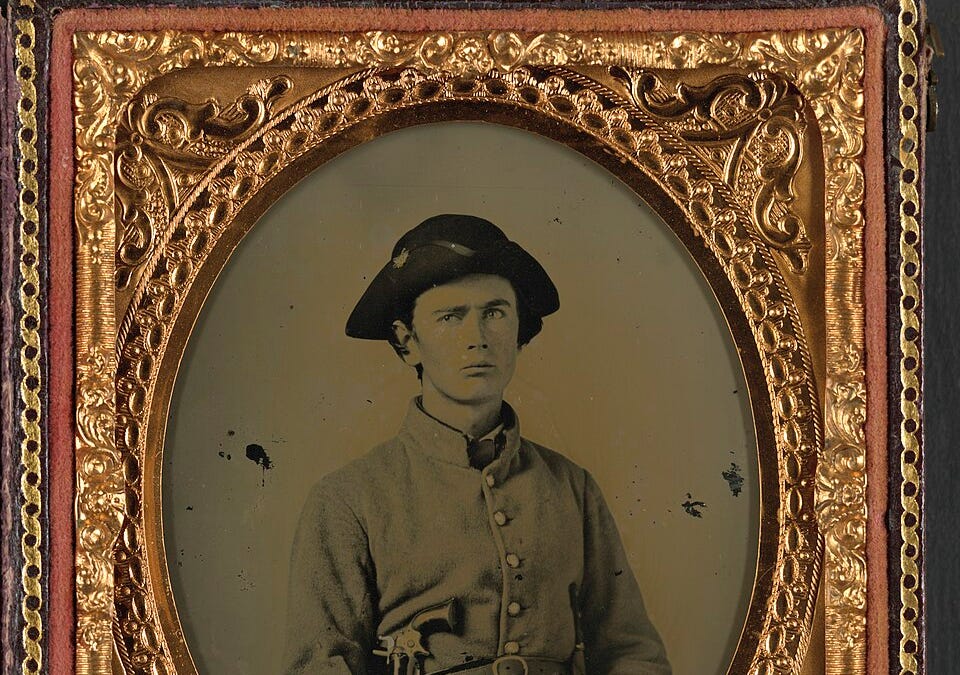
In the aftermath of the American Civil War, personal accounts from soldiers offered raw glimpses into the brutal realities of conflict, far removed from romanticized histories. George Cary Eggleston’s Southern Soldier Stories captures the unvarnished experiences of Confederate troops, emphasizing not just battles but the everyday struggles against scarcity and deprivation. This excerpt from his collection, titled “Random Facts,” vividly illustrates the ingenuity and endurance of Southern soldiers amid profound shortages—of clothing, medicine, ammunition, and even food—highlighting how necessity forged both practical innovations and spiritual resilience. It serves as a poignant reminder of the human cost of war, where survival often depended on makeshift solutions and unyielding determination.
https://humblymybrain.substack.com/p/confederate-soldiers-hardships-scarcity