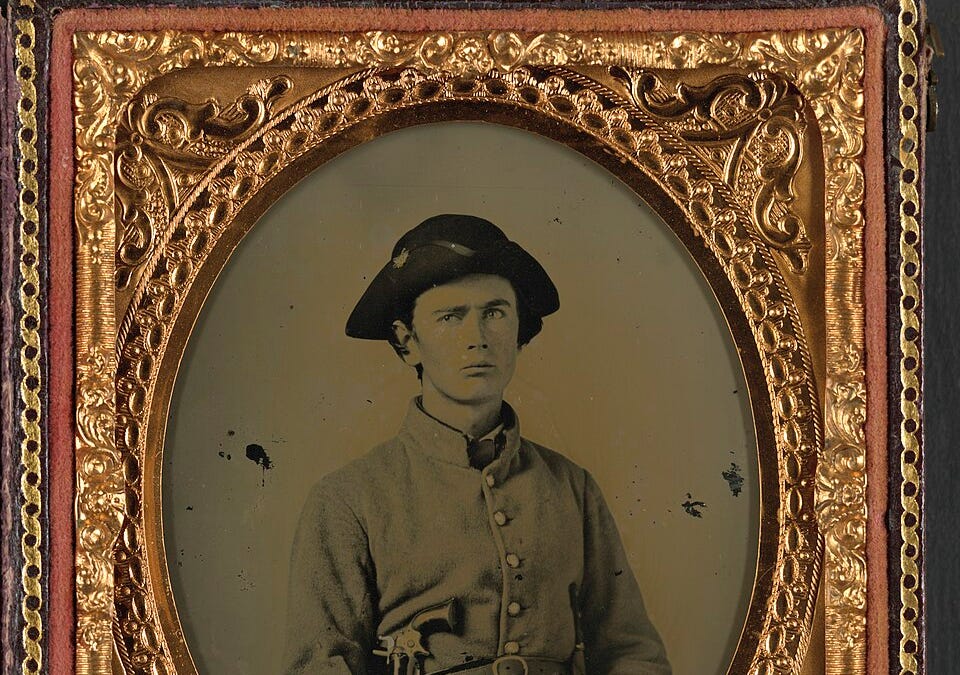


Martin Harris played a pivotal role in the early history of The Church of Jesus Christ of Latter-day Saints, founded by Joseph Smith Jr. in 1830. A veteran of the War of 1812 who had served in the New York militia, Harris settled in Palmyra, New York, where he became a prosperous landowner. He supported Joseph Smith’s translation of the Book of Mormon by serving as his scribe and later became one of the Three Witnesses, testifying—along with Oliver Cowdery and David Whitmer—that an angel showed them the golden plates and that God’s voice declared the translation true. In 1830, Harris mortgaged and sold 151 acres of his farm to finance the book’s printing, a sacrifice that underscored his commitment despite personal cost.
https://humblymybrain.substack.com/p/martin-harriss-unwavering-deathbed
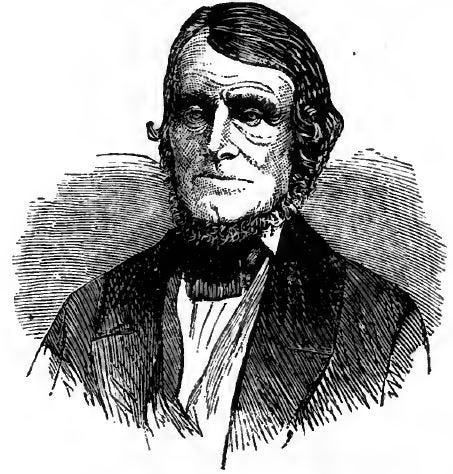
In the aftermath of the American Civil War, personal accounts from soldiers offered raw glimpses into the brutal realities of conflict, far removed from romanticized histories. George Cary Eggleston’s Southern Soldier Stories captures the unvarnished experiences of Confederate troops, emphasizing not just battles but the everyday struggles against scarcity and deprivation. This excerpt from his collection, titled “Random Facts,” vividly illustrates the ingenuity and endurance of Southern soldiers amid profound shortages—of clothing, medicine, ammunition, and even food—highlighting how necessity forged both practical innovations and spiritual resilience. It serves as a poignant reminder of the human cost of war, where survival often depended on makeshift solutions and unyielding determination.
https://humblymybrain.substack.com/p/confederate-soldiers-hardships-scarcity