

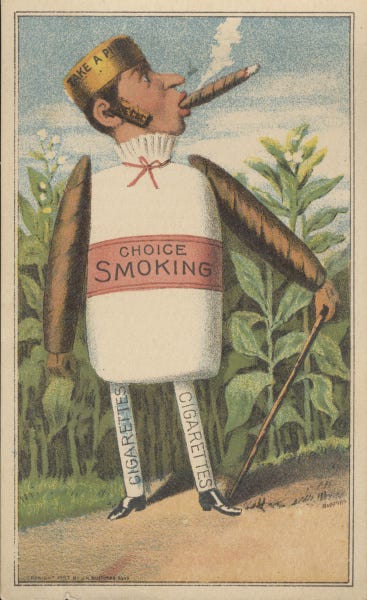
In the late 19th century, as railroads transformed travel and social interactions, etiquette clashes in confined spaces like train compartments often sparked humorous tales that captured the public’s imagination. This short anecdote, originally from the Illustrated American and reprinted in a West Virginia newspaper, exemplifies the era’s lighthearted commentary on gender dynamics, smoking habits, and pet ownership. Titled “The Smoker’s Revenge,” it recounts a cheeky exchange between a cigar-loving gentleman and a dogmatic lady passenger, blending petty revenge with a dash of absurdity.
https://humblymybrain.substack.com/p/the-smokers-revenge-a-witty-1890
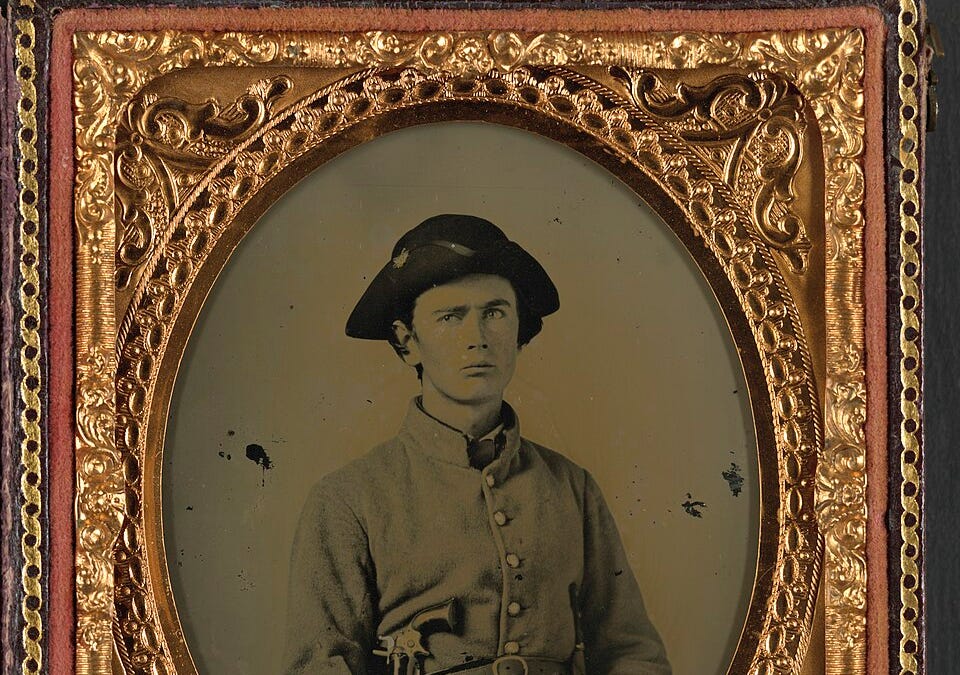
In the aftermath of the American Civil War, personal accounts from soldiers offered raw glimpses into the brutal realities of conflict, far removed from romanticized histories. George Cary Eggleston’s Southern Soldier Stories captures the unvarnished experiences of Confederate troops, emphasizing not just battles but the everyday struggles against scarcity and deprivation. This excerpt from his collection, titled “Random Facts,” vividly illustrates the ingenuity and endurance of Southern soldiers amid profound shortages—of clothing, medicine, ammunition, and even food—highlighting how necessity forged both practical innovations and spiritual resilience. It serves as a poignant reminder of the human cost of war, where survival often depended on makeshift solutions and unyielding determination.
https://humblymybrain.substack.com/p/confederate-soldiers-hardships-scarcity