

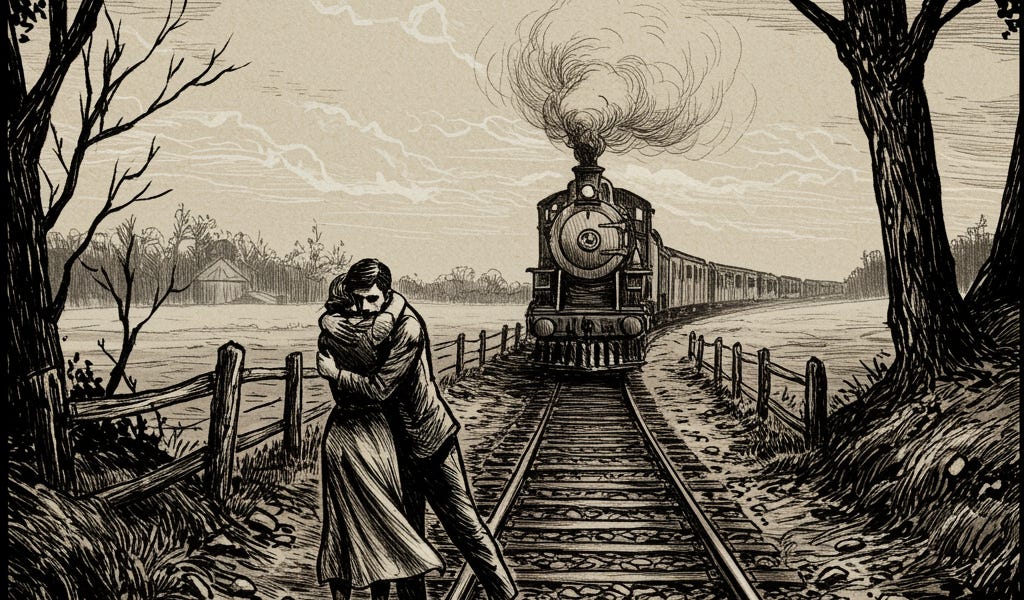
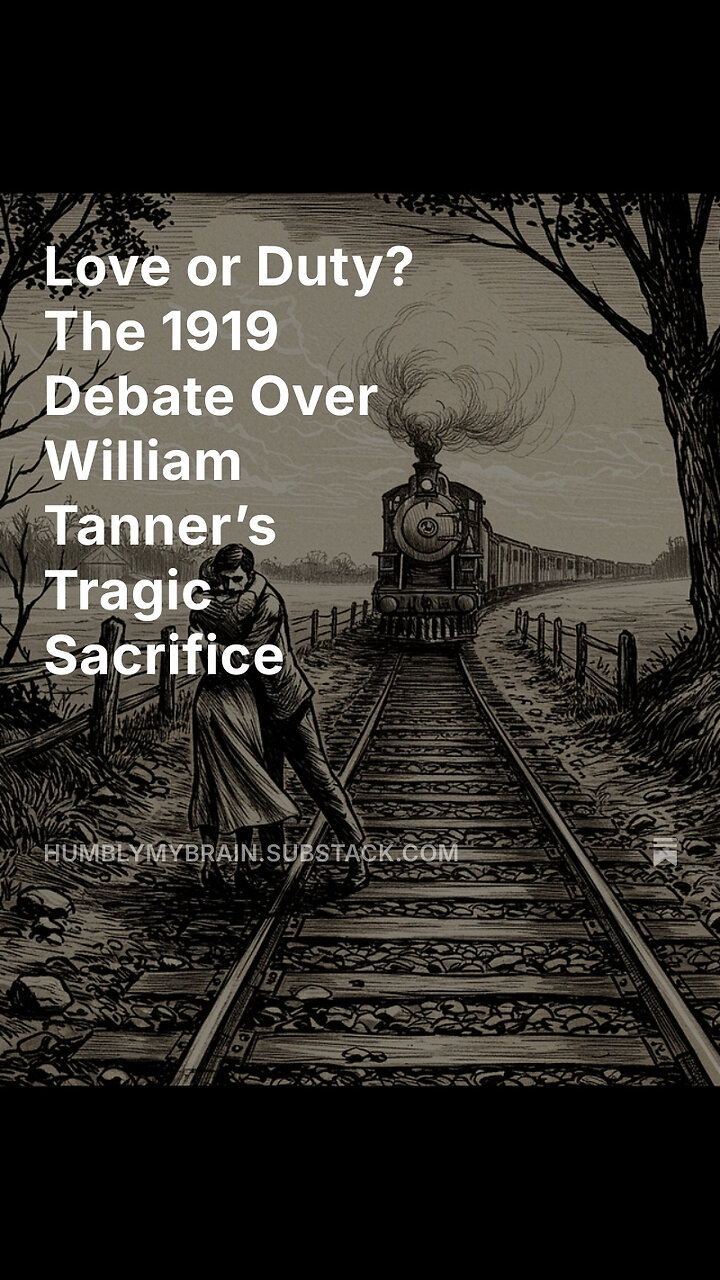
In 1919, William Tanner chose to stay and die with his trapped wife on railroad tracks rather than escape alone, orphaning their three young children. This sparked a heated newspaper debate among readers, with some praising his act as a noble expression of romantic love and others condemning it as a selfish failure of parental duty. The story highlights early 20th-century views on marriage, sacrifice, gender roles, and the tension between personal devotion and responsibility to family.
Substack link: https://humblymybrain.substack.com/p/love-or-duty-the-1919-debate-over
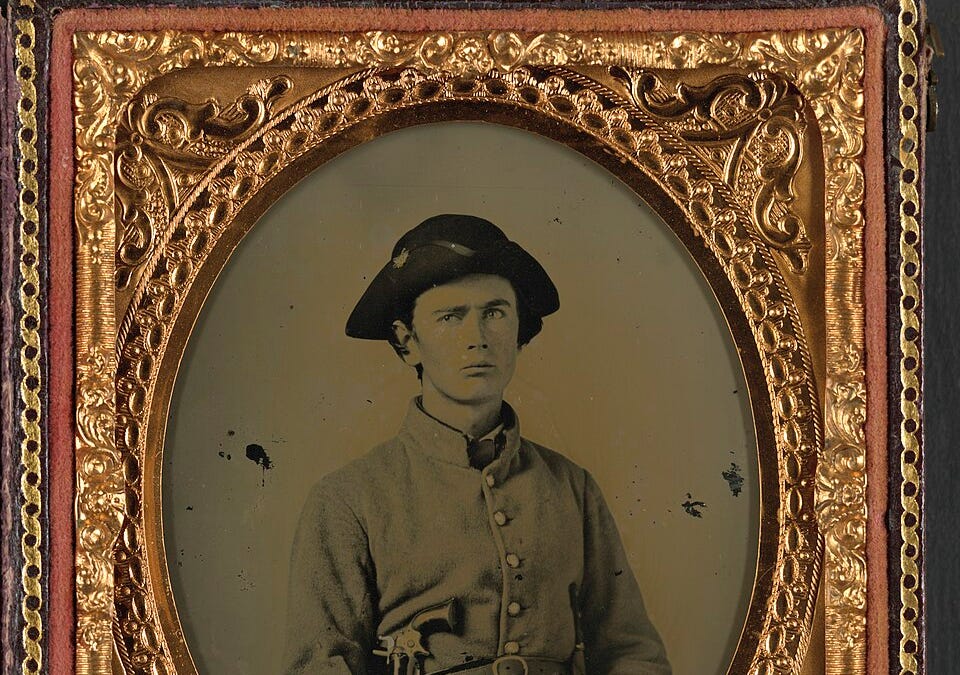
In the aftermath of the American Civil War, personal accounts from soldiers offered raw glimpses into the brutal realities of conflict, far removed from romanticized histories. George Cary Eggleston’s Southern Soldier Stories captures the unvarnished experiences of Confederate troops, emphasizing not just battles but the everyday struggles against scarcity and deprivation. This excerpt from his collection, titled “Random Facts,” vividly illustrates the ingenuity and endurance of Southern soldiers amid profound shortages—of clothing, medicine, ammunition, and even food—highlighting how necessity forged both practical innovations and spiritual resilience. It serves as a poignant reminder of the human cost of war, where survival often depended on makeshift solutions and unyielding determination.
https://humblymybrain.substack.com/p/confederate-soldiers-hardships-scarcity