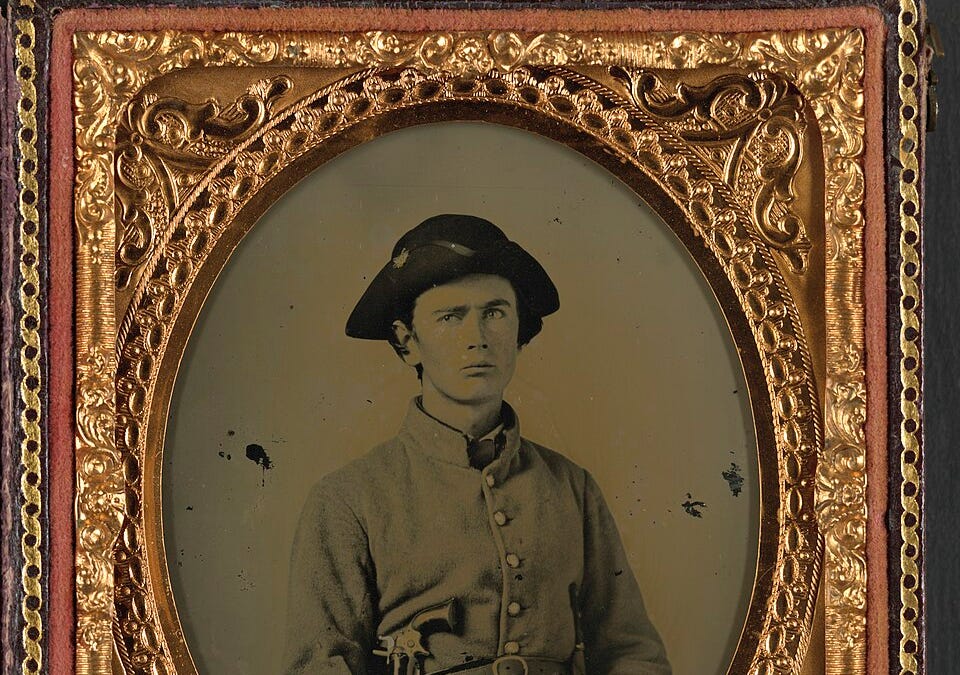


"Religion prescribes to us the practice of virtue, seeing it is the road to happiness both in this world and that which is to come."
#HumblyMySubstack #Substack #virtue #religion
In the roaring 1920s, amid the jazz age and technological wonders, tales of extraordinary animals captured the public’s imagination, blending whimsy with a touch of skepticism. One such story emerged from the Eastern Dog Show in Boston, where a French bulldog named Princess Jacqueline astonished attendees with her alleged ability to speak simple words. This article from 1928 highlights the fascination with “talking” pets, reflecting an era when novelty acts and animal performers were celebrated in newspapers far and wide, even reaching the remote pages of Alaska’s press.
https://humblymybrain.substack.com/p/the-incredible-talking-dog-of-1928
There was a “revolution” in 1800 when Thomas Jefferson was elected to the presidency of the United States. His ascension to the highest office in the executive branch did not come by the literal “blood of patriots,” but it was the result of a bloodless rebellion against the Federalist Party and its “Court party” policies. Through the “mighty wave of public opinion,” President Jefferson was appointed leader of “the revolution of 1800,” whom the people hoped would restore the “principles of our government as that of 1776.” Jefferson did restore many republican principles during his presidency; however, he also committed some acts that could be considered unconstitutional. In the end, he can also be criticized for not doing more to promote “American synthesis,” or what can be defined as a unique blend of early liberalism, “the rights of Englishmen,” and republican theory.
https://humblymybrain.substack.com/p/the-bloodless-revolution-of-1800
...
The American press during the 1790s played a role analogous to that of today’s electronic media, which, like today, was used as a vehicle to attack the principles and policies of the opposing political parties of the period. Since the dawn of a literate public actively engaged in government, politicians have both supported and cursed the effects of the press on the political process. The rapidly growing media of the late eighteenth century was seen as a necessary evil that could serve or destroy the evolution of the new federal government.
https://humblymybrain.substack.com/p/the-press-as-a-weapon-how-1790s-newspapers