

Why do we sit down when all should be standing?
And why do we back down at the critical moment?
Like running away from the waves of the ocean
We head for the hills with the high tide approaching
As sand slips away from the castle
When its time to stand upright, then why do we falter?
Like placing our freedom on the sacrificial altar
We hold tight to our fears and defend our oppressors
As we fight for their lies and become the transgressors
As pacifists transform to violent aggressors
I’m only a stranger here and I’m a long, long way from my home
And they say I can’t change all the things I find strange, For what can one man do alone?
When is the right time to stand up for freedom?
Could it be when you start to fear creating children?
Who’ll inherit the pain and the debt of this nation
And be slaves to the banks who cause hyperinflation
Who are masters of commerce, lies, and bad legislation
If you looked in the eyes of a thousand young children
Through fences of razors, their innocence stolen
As ...
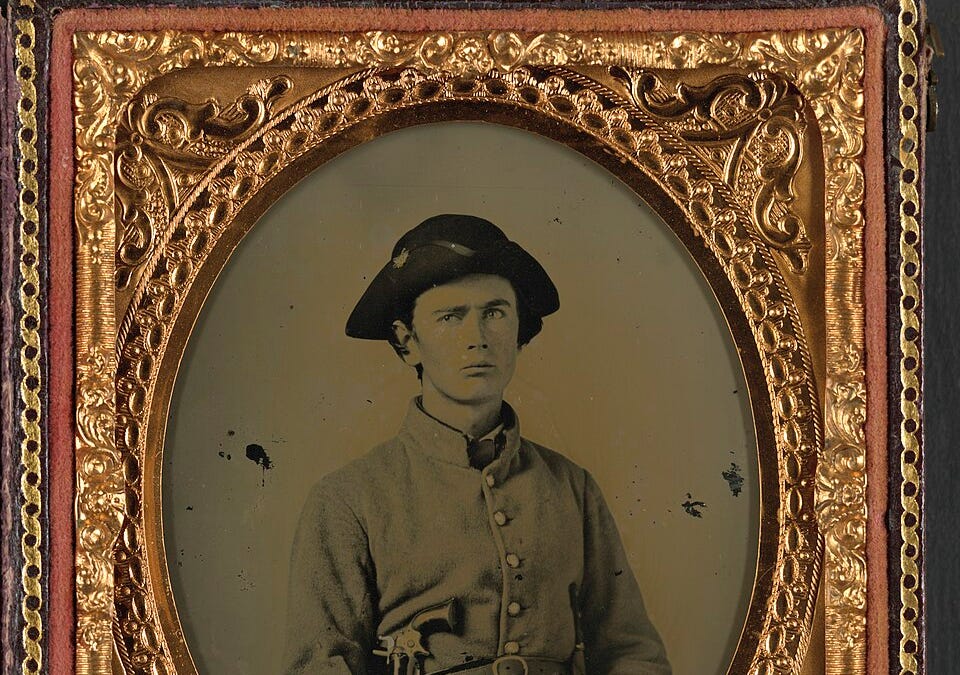
In the aftermath of the American Civil War, personal accounts from soldiers offered raw glimpses into the brutal realities of conflict, far removed from romanticized histories. George Cary Eggleston’s Southern Soldier Stories captures the unvarnished experiences of Confederate troops, emphasizing not just battles but the everyday struggles against scarcity and deprivation. This excerpt from his collection, titled “Random Facts,” vividly illustrates the ingenuity and endurance of Southern soldiers amid profound shortages—of clothing, medicine, ammunition, and even food—highlighting how necessity forged both practical innovations and spiritual resilience. It serves as a poignant reminder of the human cost of war, where survival often depended on makeshift solutions and unyielding determination.
https://humblymybrain.substack.com/p/confederate-soldiers-hardships-scarcity